
Its wise and sensitive approach to working with local people will be relevant in situations throughout the world.'
ECOS
'The numerous diagrams, tables of data, information flow charts, fieldwork sketches etc. give a great vibrancy to the work... It deserves a wide readership.'
TEG News
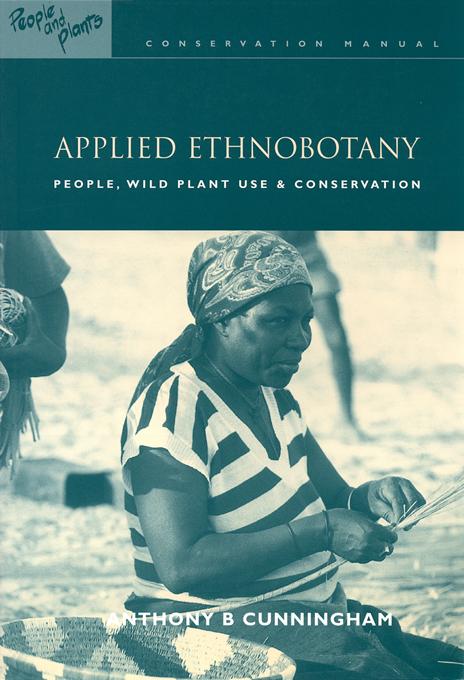
Wild or non-cultivated plants are crucial to the lives of a large portion of the world's population, providing low-cost building materials, fuel, food supplements, medicines, tools and sources of income. Despite their importance, their vulnerability to harvesting and other social impacts is not well understood. Applied Ethnobotany is the first practical guide to be published on how to manage wild plant species sustainably.
This detailed manual on wild plant resources sets out the approaches and field methods involved in participatory work between conservationists, researchers and the primary resource users. Supported by extensive illustrations, it explains how local people can learn to assess the pressures on plant resources and what steps to take to ensure their continued availability.
For all those involved in resource management decisions regarding plant species and diversity, and in particular those studying or working in conservation, rural development and park management, this guide is invaluable.
Published with WWF, UNESCO and Royal Botanic Gardens Kew
Pay easily by card, Klarna, Apple Pay or Google Pay. Not happy? You always have a 14-day money-back guarantee. Read more in our terms. If you have any questions, email us at hello@memmo.org.
Memmo makes studying easier – wherever you are in the world. We bring your course books and smart study tools together in one place: summaries, quizzes, podcasts and flashcards. Plus Ted, your study buddy who answers anything you wonder. Over 50,000 students already study here – built to help you learn faster and stress less.