
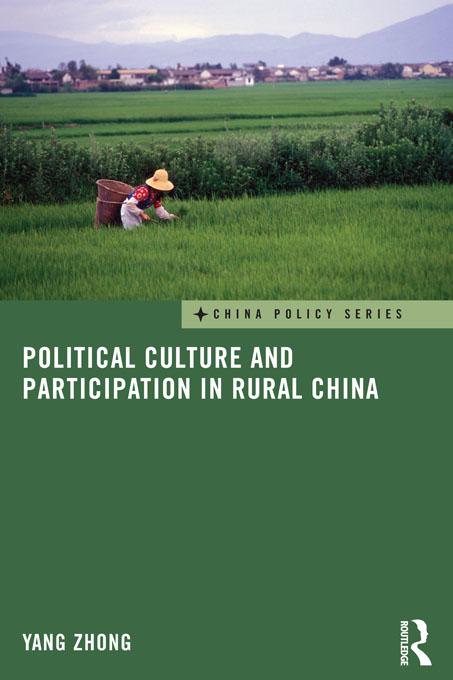
Despite China’s rapid urbanisation and industrialisation, most Chinese still live in the vast countryside or have rural household registration. Although there was significant economic improvement in rural areas in the 1980s, the rural economy has been stagnating or deteriorating since then, and the book argues that the rural-urban income gap is giving rise to the potential for political instability throughout China. This book, based on extensive original research including interview fieldwork in rural areas, examines the nature of political culture and participation in rural China, discussing issues such as the support, or lack of it, for democratic values; levels of political interest; the ways in which Chinese peasants interact with village and local officials; subjective factors that motivate them to vote, (or not to vote) in village elections; and rural people’s views on market-oriented economic reforms, local and national government, and the Communist Party. The book argues that although hitherto peasants’ riots, sit-ins and demonstrations have been localised and uncoordinated, they are frequent, and have the potential to cause serious political crises for China’s rulers. It concludes by considering the future political development of China’s vast countryside.
Pay easily by card, Klarna, Apple Pay or Google Pay. Not happy? You always have a 14-day money-back guarantee. Read more in our terms. If you have any questions, email us at hello@memmo.org.
Memmo makes studying easier – wherever you are in the world. We bring your course books and smart study tools together in one place: summaries, quizzes, podcasts and flashcards. Plus Ted, your study buddy who answers anything you wonder. Over 50,000 students already study here – built to help you learn faster and stress less.