
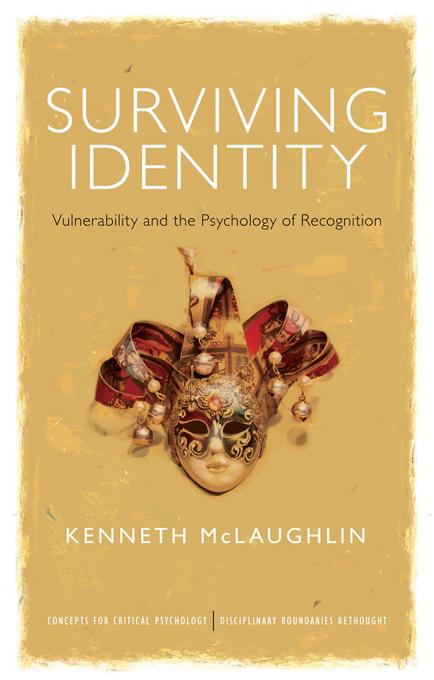
Today, political claims are increasingly made on the basis of experienced trauma and inherent vulnerability, as evidenced in the growing number of people who identify as a "survivor" of one thing or another, and also in the way in which much political discourse and social policy assumes the vulnerability of the population. This book discusses these developments in relation to the changing focus of social movements, from concerns with economic redistribution, towards campaigns for cultural recognition. As a result of this, the experience of trauma and psychological vulnerability has become a dominant paradigm within which both personal and political grievances are expressed.
Combining the psychological, social, and political aspects of the expression of individual distress and political dissent, this book provides a unique analysis of how concepts such as "vulnerability" and "trauma" have become institutionalised within politics and society. It also offers a critical appraisal of the political and personal implications of these developments, and in addition, shows how the institutionalisation of the survivor identity represents a diminished view of the human subject and our capacity to achieve progressive political and individual change.
This book will be of interest to researchers, postgraduate and undergraduate students of critical psychology, sociology, social policy, politics, social movements and mental health.
Pay easily by card, Klarna, Apple Pay or Google Pay. Not happy? You always have a 14-day money-back guarantee. Read more in our terms. If you have any questions, email us at hello@memmo.org.
Memmo makes studying easier – wherever you are in the world. We bring your course books and smart study tools together in one place: summaries, quizzes, podcasts and flashcards. Plus Ted, your study buddy who answers anything you wonder. Over 50,000 students already study here – built to help you learn faster and stress less.