
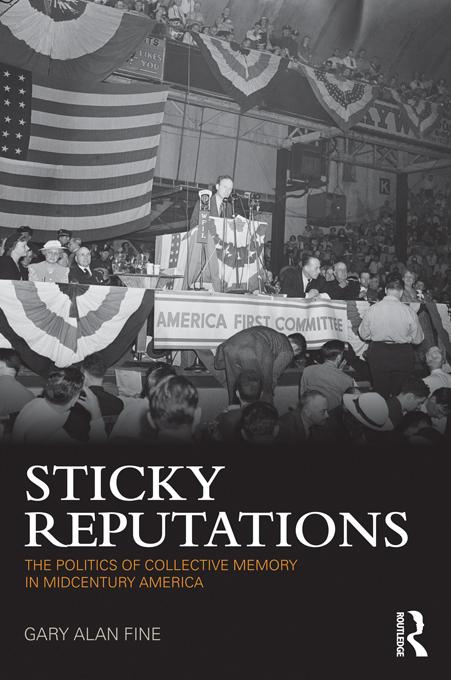
Sticky Reputations focuses on reputational entrepreneurs and support groups shaping how we think of important figures, within a crucial period in American history – from the 1930s through the 1950s. Why are certain figures such as Adolf Hitler, Joe McCarthy, and Martin Luther King cemented into history unable to be challenged without reputational cost to the proposer of the alternative perspective? Why are the reputations of other political actors such as Harry Truman highly variable and changeable? Why, in the 1930s, was it widely believed that American Jews were linked to the Communist Party of America but by the 1950s this belief had largely vanished and was not longer a part of legitimate public discourse? This short, accessible book is ideal for use in undergraduate teaching in social movements, collective memory studies, political sociology, sociological social psychology, and other related courses.
Pay easily by card, Klarna, Apple Pay or Google Pay. Not happy? You always have a 14-day money-back guarantee. Read more in our terms. If you have any questions, email us at hello@memmo.org.
Memmo makes studying easier – wherever you are in the world. We bring your course books and smart study tools together in one place: summaries, quizzes, podcasts and flashcards. Plus Ted, your study buddy who answers anything you wonder. Over 50,000 students already study here – built to help you learn faster and stress less.