
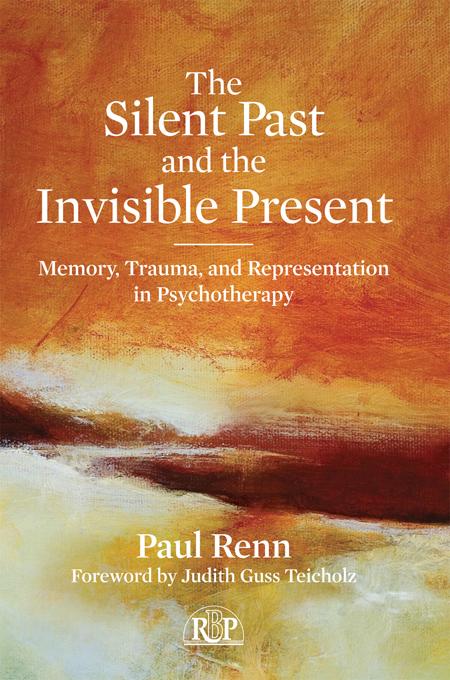
Drawing on research in the fields of cognitive and developmental psychology, attachment, trauma, and neuroscience, as well as 20 years in forensic and private practice, Paul Renn deftly illustrates the ways in which this research may be used to inform an integrated empirical/hermeneutic model of clinical practice. He suggests that silent, invisible processes derived from the past maintain non-optimal ways of experiencing and relating in the present, and that a neuroscience understanding of the dynamic nature of memories, and of the way in which the implicit and explicit memory systems operate and interact, is salient to a concomitant understanding of trauma, personality development, and therapeutic action. Specifically, Renn argues that an intersubjective psychodynamic model can use the power of an emotionally meaningful therapeutic relationship to gradually facilitate both relational and neurological changes in patients with trauma histories. Taken as a whole, these themes reflect a paradigmatic shift in psychoanalytic thinking about clinical work and the process of change.
Pay easily by card, Klarna, Apple Pay or Google Pay. Not happy? You always have a 14-day money-back guarantee. Read more in our terms. If you have any questions, email us at hello@memmo.org.
Memmo makes studying easier – wherever you are in the world. We bring your course books and smart study tools together in one place: summaries, quizzes, podcasts and flashcards. Plus Ted, your study buddy who answers anything you wonder. Over 50,000 students already study here – built to help you learn faster and stress less.
You might also like
Buy the book0