
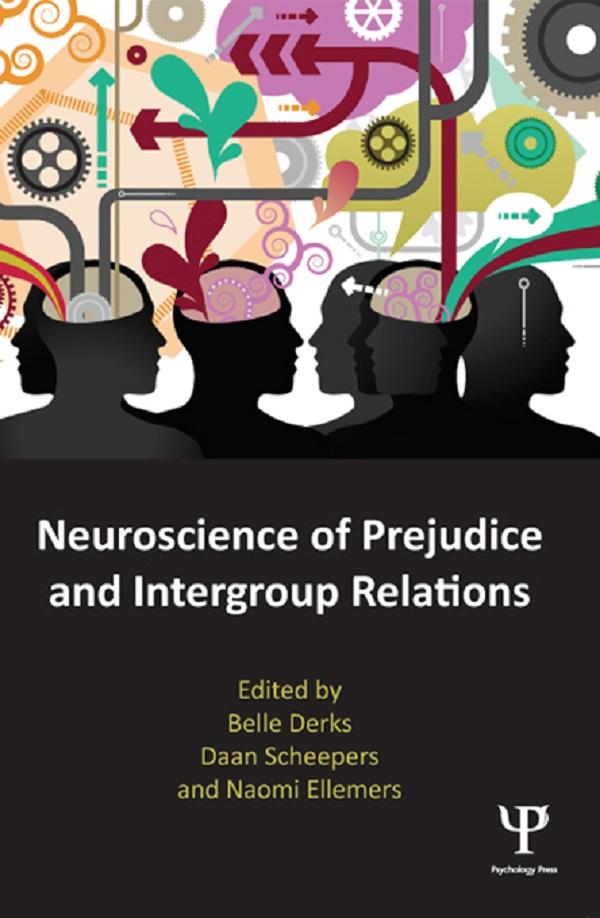
Psychological research on the origins and consequences of prejudice, discrimination, and stereotyping has moved into previously uncharted directions through the introduction of neuroscientific measures. Psychologists can now address issues that are difficult to examine with traditional methodologies and monitor motivational and emotional as they develop during ongoing intergroup interactions, thus enabling the empirical investigation of the fundamental biological bases of prejudice.
However, several very promising strands of research have largely developed independently of each other. By bringing together the work of leading prejudice researchers from across the world who have begun to study this field with different neuroscientific tools, this volume provides the first integrated view on the specific drawbacks and benefits of each type of measure, illuminates how standard paradigms in research on prejudice and intergroup relations can be adapted for the use of neuroscientific methods, and illustrates how different methodologies can complement each other and be combined to advance current insights into the nature of prejudice.
This cutting-edge volume will be of interest to advanced undergraduates, graduates, and researchers students who study prejudice, intergroup relations, and social neuroscience.
Pay easily by card, Klarna, Apple Pay or Google Pay. Not happy? You always have a 14-day money-back guarantee. Read more in our terms. If you have any questions, email us at hello@memmo.org.
Memmo makes studying easier – wherever you are in the world. We bring your course books and smart study tools together in one place: summaries, quizzes, podcasts and flashcards. Plus Ted, your study buddy who answers anything you wonder. Over 50,000 students already study here – built to help you learn faster and stress less.