
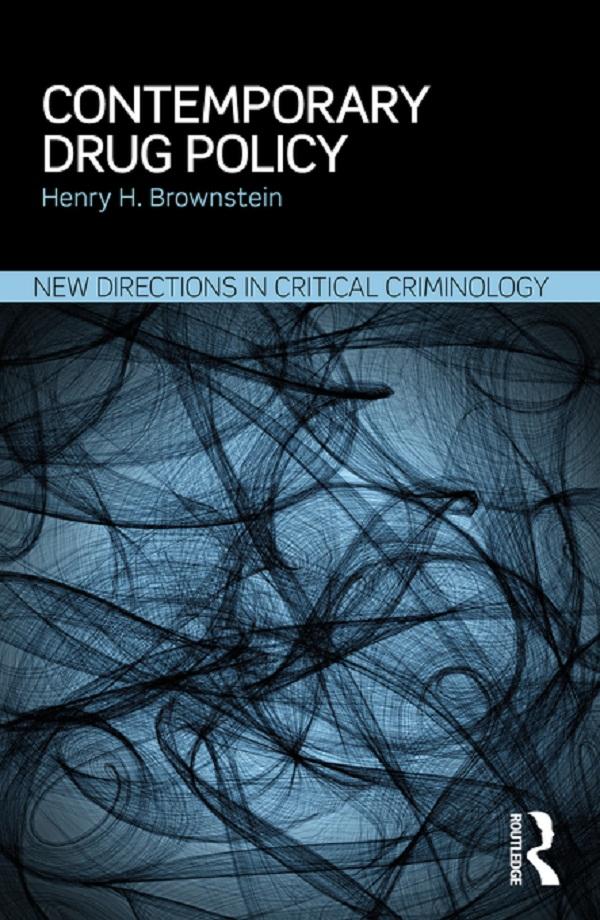
This book focuses on the use of drugs in our lives and how we respond to them. Whereas drug policy typically centres on the problems of illicit drugs or licit drugs used in illicit ways or circumstances, Contemporary Drug Policy instead considers the wide variety of substances we call drugs as a normal part of our personal and social experience and asks how and when drugs benefit us as well as how and when they are harmful.
The evidence is clear that at some times, in some circumstances, and in some places drugs are a problem. This book does not ignore these issues but shifts our attention to making policies that also recognize their legitimate and constructive place in society. It focuses on asking questions, challenging assumptions, and developing responses to drugs based on evidence from scientific study as directed by critical criminological theory rather than mainstream theory or unfounded assumptions.
Different from other books on drug policy, this book does not offer answers or solutions. Rather it shows how critical criminological theories can lead scientific research in new directions supportive of policies that offer both solutions to problems that are found to be related to drugs and an appreciation for the benefits that drugs can bring to people and society. This book will be of interest to those studying or researching drug policy as well as professionals involved in policy making processes.
Pay easily by card, Klarna, Apple Pay or Google Pay. Not happy? You always have a 14-day money-back guarantee. Read more in our terms. If you have any questions, email us at hello@memmo.org.
Memmo makes studying easier – wherever you are in the world. We bring your course books and smart study tools together in one place: summaries, quizzes, podcasts and flashcards. Plus Ted, your study buddy who answers anything you wonder. Over 50,000 students already study here – built to help you learn faster and stress less.