
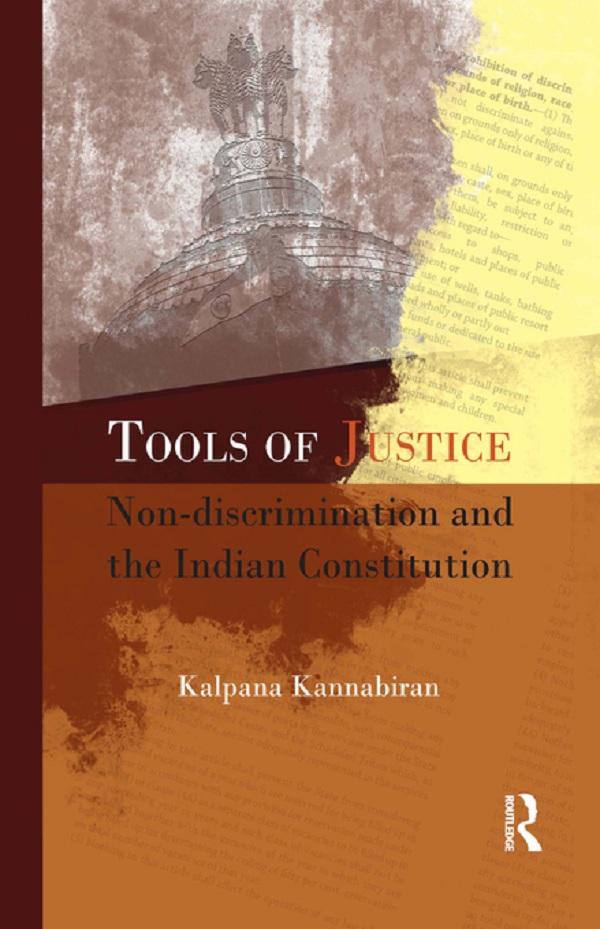
In the years since independence, the Indian subcontinent has witnessed an alarming rise in violence against marginalized communities, with an increasing number of groups pushed to the margins of the democratic order. Against this background of violence, injustice and the abuse of rights, this book explores the critical, ‘insurgent’ possibilities of constitutionalism as a means of revitalising the concepts of non-discrimination and liberty, and of reimagining democratic citizenship.
The book argues that the breaking down of discrimination in constitutional interpretation and the narrowing of the field of liberty in law deepen discriminatory ideologies and practices. Instead, it offers an intersectional approach to jurisprudence as a means of enabling the law to address the problem of discrimination along multiple, intersecting axes. The argument is developed in the context of the various grounds of discrimination mentioned in the constitution — caste, tribe, religious minorities, women, sexual minorities, and disability. The study draws on a rich body of materials, including official reports, case law and historical records, and uses insights from social theory, anthropology, literary and historical studies and constitutional jurisprudence to offer a new reading of non-discrimination.
This book will be useful to those interested in law, sociology, gender studies, politics, constitutionalism, disability studies, human rights, social exclusion, etc.
Pay easily by card, Klarna, Apple Pay or Google Pay. Not happy? You always have a 14-day money-back guarantee. Read more in our terms. If you have any questions, email us at hello@memmo.org.
Memmo makes studying easier – wherever you are in the world. We bring your course books and smart study tools together in one place: summaries, quizzes, podcasts and flashcards. Plus Ted, your study buddy who answers anything you wonder. Over 50,000 students already study here – built to help you learn faster and stress less.