
One way of creating a theatrical costume is called flat patterning. This is when a costume designer uses a pattern made to the wearer's measurements to cut out and sew together a costume. In many cases flat patterning is the more appropriate method for creating a period costume - skirts, pants, and sleeves, for example. However, working in two-dimensions often does not translate correctly onto a three-dimensional dress form or person. Often a designer will need to tweak style lines on a garment once they see it worn, or a costume will need a quick adjustment right before going on stage. In those cases, designers need to know how to correctly drape a costume. Draping is also the best way to construct a period costume right from the start. The construction of garments in earlier centuries often constricted movement, especially in the area of the armhole. The very different size and proportions of contemporary people compared to those in previous centuries makes the use of period patterns difficult. A well-draped garment can give the impression of period accuracy while permitting the wearer greater freedom of movement. Having a mock-up pinned to the form in its early stages is quicker and easier to adapt than drafting a flat pattern, cutting it out of muslin and sewing it. It also provides the opportunity for greater creativity and adaptation as well as a better understanding of what fabric will and won't do.
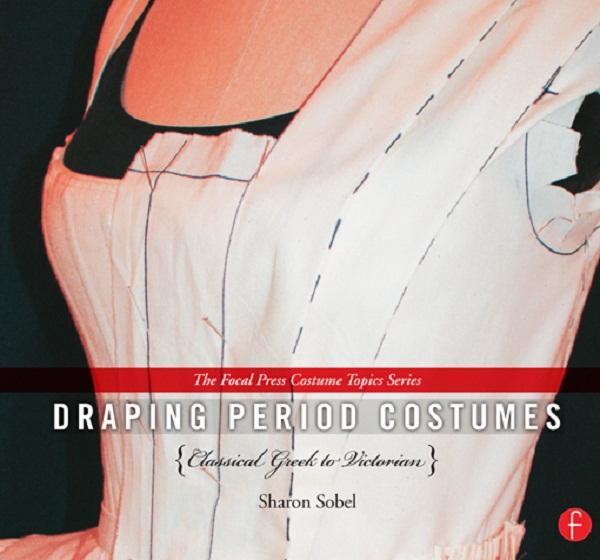
In Draping Period Costumes, Sharon Sobel explains in step-by-step detail the basics of draping and demonstrates the use of those basic skills in the creation of a representative selection of period costumes from a variety of time periods. Chapters are broken into time periods and have two parts: an analysis of how clothing was made and worn during that specific time period, and detailed instruction on draping techniques to construct the costume. Copiously illustrated, images allow this visual audience to easily follow along with detailed instructions.
A part of the Costume Topics series, this book will be 256 pages, a snazzy 8.25 x 7.5 trim size, and spiral bound-a format consistently requested by our audience so that they can lay the book flat while working from it.
Pay easily by card, Klarna, Apple Pay or Google Pay. Not happy? You always have a 14-day money-back guarantee. Read more in our terms. If you have any questions, email us at hello@memmo.org.
Memmo makes studying easier – wherever you are in the world. We bring your course books and smart study tools together in one place: summaries, quizzes, podcasts and flashcards. Plus Ted, your study buddy who answers anything you wonder. Over 75,000 students already study here – built to help you learn faster and stress less.