
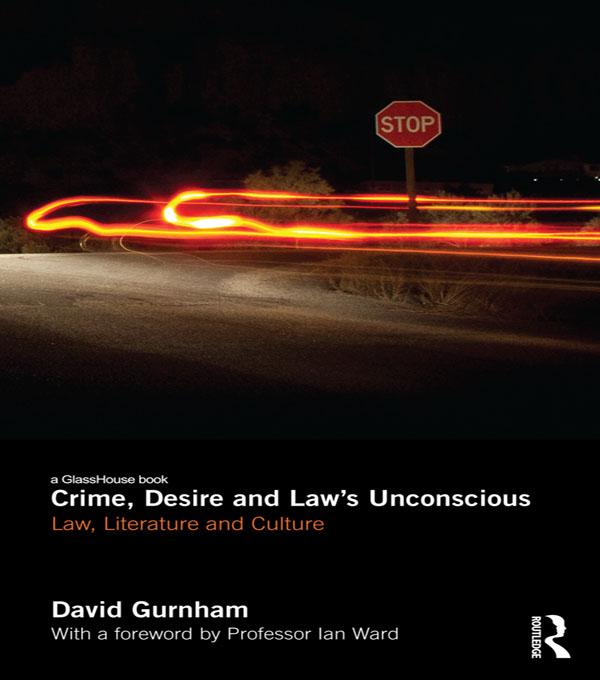
Sexual desire, and the possible dangers associated with its more extreme manifestations, provokes strong, albeit often contradictory reactions. Such reactions are a well-known stimulant of creative, juridical and scholarly activity, and the texts of law, literature and academic criticism respond to it in ways that suggest both of revulsion and fascination. But how are we to understand such responses, and what can they tell us about the relationship between law and its‘others’? Exploring these questions in the context of HIV transmission, on-street sexual exploitation and erotic asphyxiation, this book draws on psychoanalytic theory in order to understand the motivations behind legal, literary and cultural constructions of sexual offences, their perpetrators and victims. Its analysis of these constructions in a diverse range of sources - including appeal judgments in England & Wales and North America, criminal trials and their reporting, visual and linguistic cultures and both modern and ‘classical’ literature – will be of great interest to legal theorists and socio-legal scholars, as well as those with relevant concerns in the fields of literature and cultural studies.
Pay easily by card, Klarna, Apple Pay or Google Pay. Not happy? You always have a 14-day money-back guarantee. Read more in our terms. If you have any questions, email us at hello@memmo.org.
Memmo makes studying easier – wherever you are in the world. We bring your course books and smart study tools together in one place: summaries, quizzes, podcasts and flashcards. Plus Ted, your study buddy who answers anything you wonder. Over 50,000 students already study here – built to help you learn faster and stress less.