
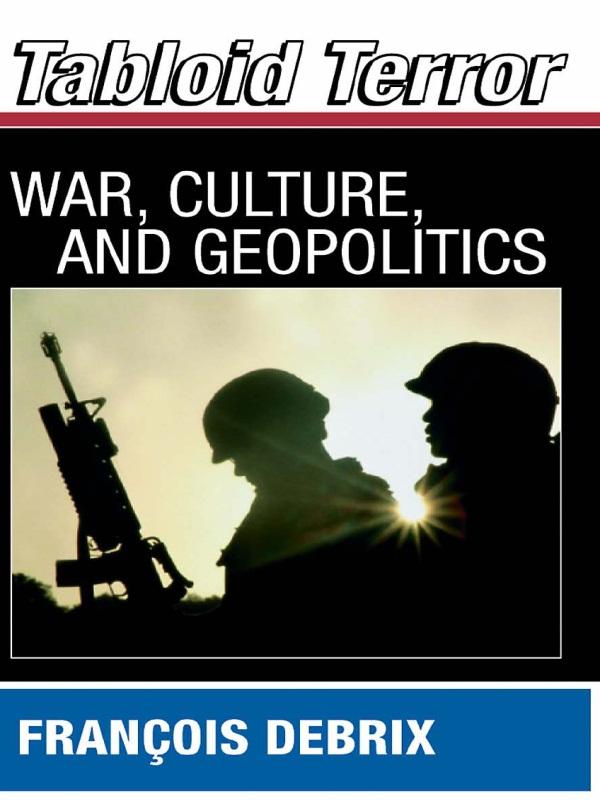
This book analyzes the methods, effects, and mechanisms by which international relations reach the US citizen. Deftly dissecting the interrelationships of national identity formation, corporate ‘news and opinion’ dissemination, and the quasi-academic apparatus of war justification - focusing on the Bush administration's exploitation of the fear and insecurity caused by 9/11 and how this has manifested itself in the US media (especially the tabloid populist media). Debrix explains how all serve to defend and produce state power and develops a model of tabloidized international relations, where responses are both organized by, and supportive of, a strong centralized US government. The field of International Relations sorely needs such analytics, in so far as it explains how people in their everyday lives relate to transnational issues.
Tabloid Terror critically covers a wide variety of US popular culture from the Internet to Fox News; analyzes diverse authors as Julia Kristeva, J.G. Ballard and Robert Kaplan and takes into account renowned international relations interlocutors as Don Imus, Bill O’Reilly, and Tommy Franks.
Pay easily by card, Klarna, Apple Pay or Google Pay. Not happy? You always have a 14-day money-back guarantee. Read more in our terms. If you have any questions, email us at hello@memmo.org.
Memmo makes studying easier – wherever you are in the world. We bring your course books and smart study tools together in one place: summaries, quizzes, podcasts and flashcards. Plus Ted, your study buddy who answers anything you wonder. Over 50,000 students already study here – built to help you learn faster and stress less.