
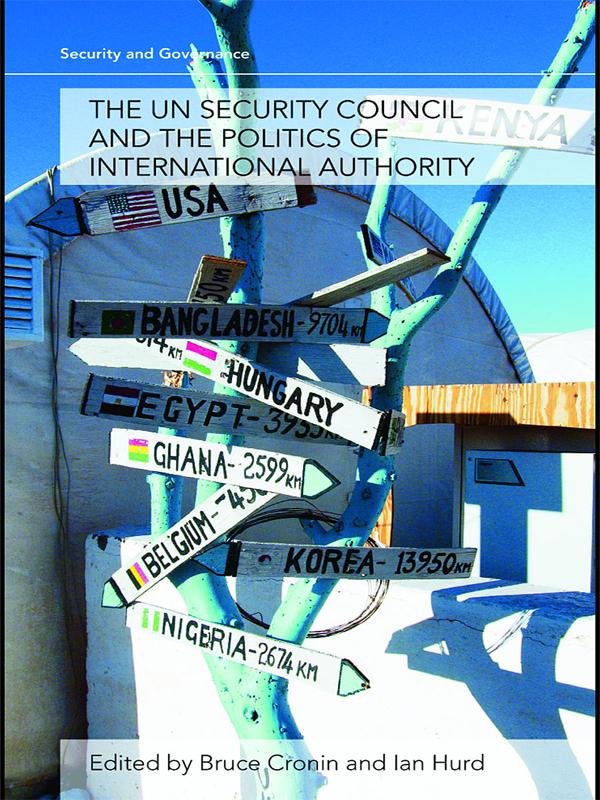
Observes how the growth of the political authority of the Council challenges the basic idea that states have legal autonomy over their domestic affairs. The individual essays survey the implications that flow from these developments in the crucial policy areas of: terrorism; economic sanctions; the prosecution of war crimes; human rights; humanitarian intervention; and the use of force. In each of these areas, the evidence shows a complex and fluid relation between state sovereignty, the power of the United Nations, and the politics of international legitimation. Demonstrating how world politics has come to accommodate the contradictory institutions of international authority and international anarchy, this book makes an important contribution to how we understand and study international organizations and international law. Written by leading experts in the field, this volume will be of strong interest to students and scholars of international relations, international organizations, international law and global governance.
Pay easily by card, Klarna, Apple Pay or Google Pay. Not happy? You always have a 14-day money-back guarantee. Read more in our terms. If you have any questions, email us at hello@memmo.org.
Memmo makes studying easier – wherever you are in the world. We bring your course books and smart study tools together in one place: summaries, quizzes, podcasts and flashcards. Plus Ted, your study buddy who answers anything you wonder. Over 50,000 students already study here – built to help you learn faster and stress less.