
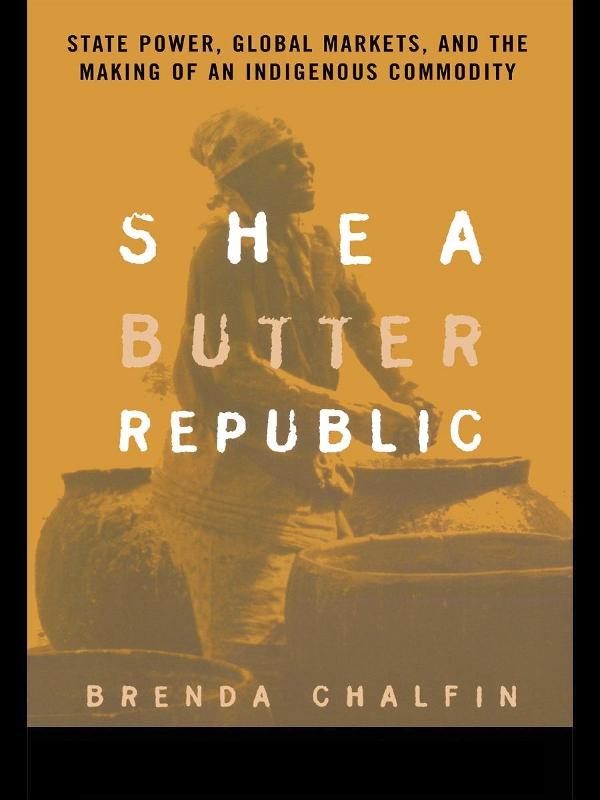
Shea butter (butyrospermin parkii) has been produced and sold by rural West African women and circulated on the world market as a raw material for more than a century. Shea butter has been used for cooking, making soap and candles, leatherworking, dying, as a medical and beauty aid, and most significantly, as a substitute for cocoa butter in chocolate production. Now sold in exclusive shops as a high-priced cosmetic and medicinal product, it caters to the desire of cosmopolitan customers worldwide for luxury and exotic self-indulgence. This ethnographic study traces shea from a pre- to post-industrial commodity to provide a deeper understanding of emerging trends in tropical commoditization, consumption, global economic restructuring and rural livelihoods. Also inlcludes seven maps.
Pay easily by card, Klarna, Apple Pay or Google Pay. Not happy? You always have a 14-day money-back guarantee. Read more in our terms. If you have any questions, email us at hello@memmo.org.
Memmo makes studying easier – wherever you are in the world. We bring your course books and smart study tools together in one place: summaries, quizzes, podcasts and flashcards. Plus Ted, your study buddy who answers anything you wonder. Over 50,000 students already study here – built to help you learn faster and stress less.