
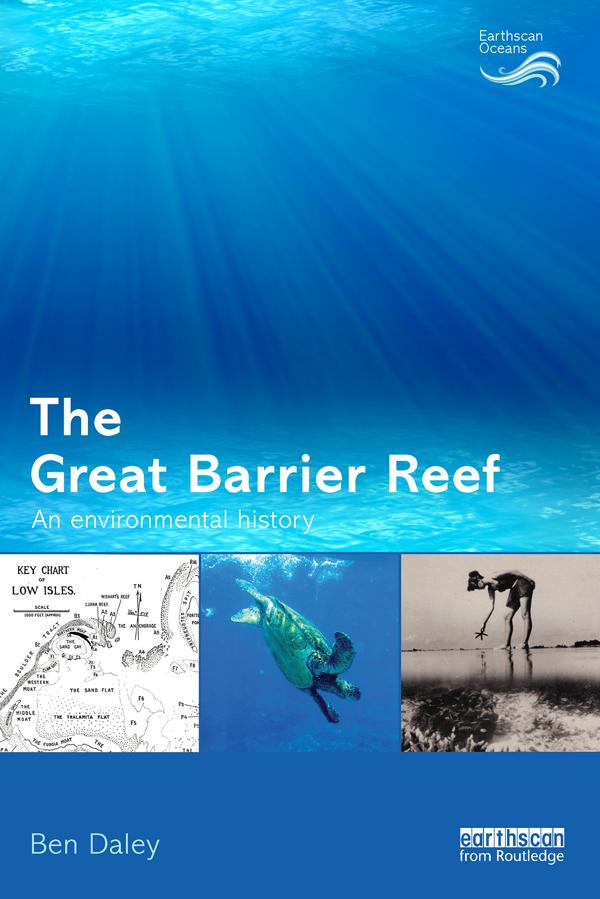
The Great Barrier Reef is located along the coast of Queensland in north-east Australia and is the world's largest coral reef ecosystem. Designated a World Heritage Area, it has been subject to increasing pressures from tourism, fishing, pollution and climate change, and is now protected as a marine park. This book provides an original account of the environmental history of the Great Barrier Reef, based on extensive archival and oral history research.
It documents and explains the main human impacts on the Great Barrier Reef since European settlement in the region, focusing particularly on the century from 1860 to 1960 which has not previously been fully documented, yet which was a period of unprecedented exploitation of the ecosystem and its resources. The book describes the main changes in coral reefs, islands and marine wildlife that resulted from those impacts.
In more recent decades, human impacts on the Great Barrier Reef have spread, accelerated and intensified, with implications for current management and conservation practices. There is now better scientific understanding of the threats faced by the ecosystem. Yet these modern challenges occur against a background of historical levels of exploitation that is little-known, and that has reduced the ecosystem's resilience. The author provides a compelling narrative of how one of the world's most iconic and vulnerable ecosystems has been exploited and degraded, but also how some early conservation practices emerged.
Pay easily by card, Klarna, Apple Pay or Google Pay. Not happy? You always have a 14-day money-back guarantee. Read more in our terms. If you have any questions, email us at hello@memmo.org.
Memmo makes studying easier – wherever you are in the world. We bring your course books and smart study tools together in one place: summaries, quizzes, podcasts and flashcards. Plus Ted, your study buddy who answers anything you wonder. Over 50,000 students already study here – built to help you learn faster and stress less.