
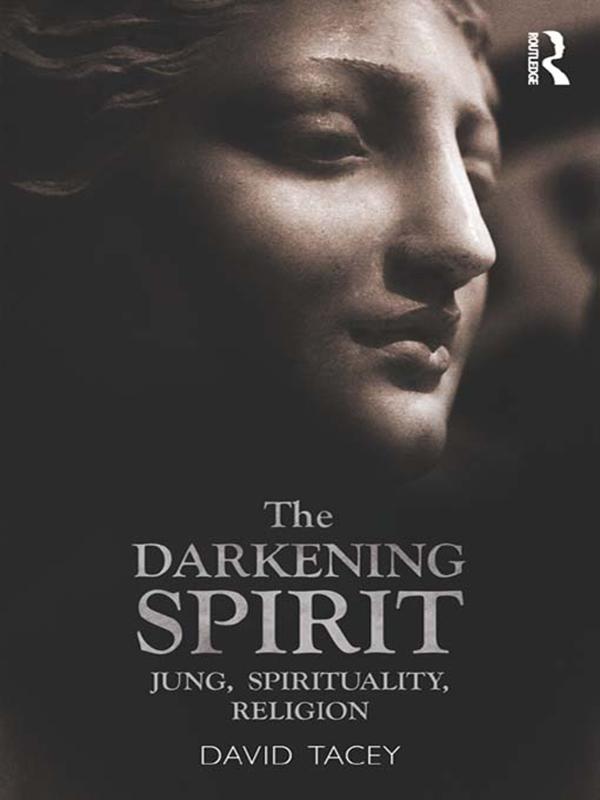
The twenty-first century could well be Jung's century, just as the twentieth century was Freud's. Jung predicted the demise of secular humanism and claimed we would search for alternatives to science, atheism and reason. We would experience a new and even unfashionable appetite for the sacred. Educated people, however, would not return to unreconstructed religions, because these do not express the life of the spirit as discerned by modern consciousness. The sacred has developed a darker hue, and worshipping symbols of light and goodness no longer satisfies the longings of the soul. The new sacred cannot be contained by the formulas of the past, but nor can we live without a sense of the sacred. We stand in a difficult place: between traditional religions we have outgrown and a pervasive materialism we can no longer embrace.
These changes in our culture have come sooner than Jung might have imagined. In his time Jung struck many as eccentric or unscientific. But his works speak to our time since we have experienced the full gamut of Jungian transformations: the unsettlement of Judeo-Christian culture, the rise of the feminine, the onslaught of the dark side, the critique of modernism and positivism, and the recognition that the Western ego is neither the pinnacle of evolution nor the lord of creation. A new life is needed beyond the ego, but we do not yet know what it will look like. The outbreak of strong religion and terrorism are signs of the times, but these are expressions of a distorted and repressed spirit, and not, one hopes, genuine pointers to the future.
What the future holds is uncertain, but Jung's prophetic vision helps to prepare us for what is to come, and this will be of great interest to analytical psychologists and psychoanalysts, as well as to theologians, futurists, sociologists, and the general reader.
Pay easily by card, Klarna, Apple Pay or Google Pay. Not happy? You always have a 14-day money-back guarantee. Read more in our terms. If you have any questions, email us at hello@memmo.org.
Memmo makes studying easier – wherever you are in the world. We bring your course books and smart study tools together in one place: summaries, quizzes, podcasts and flashcards. Plus Ted, your study buddy who answers anything you wonder. Over 50,000 students already study here – built to help you learn faster and stress less.