
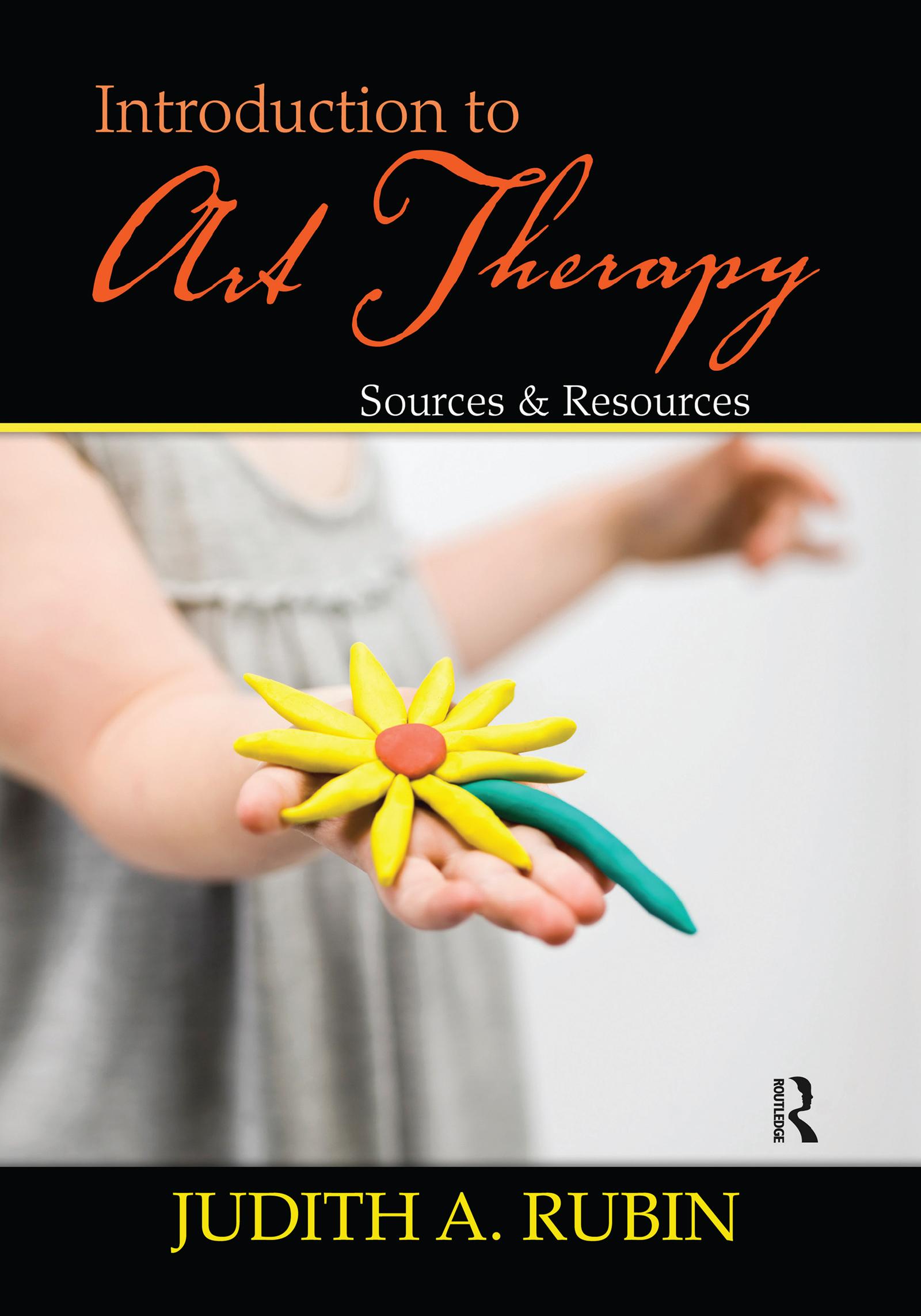
Introduction to Art Therapy: Sources and Resources, is the thoroughly updated and revised second edition of Judith Rubin’s landmark 1999 text, the first to describe the history of art in both assessment and therapy, and to clarify the differences between artists or teachers who provide "therapeutic" art activities, psychologists or social workers who request drawings, and those who are trained as art therapists to do a kind of work which is similar, but qualitatively different. This new edition contains downloadable resources with over 400 still images and 250 edited video clips for much richer illustration than is possible with figures alone; an additional chapter describing the work that art therapists do; and new material on education with updated information on standards, ethics, and informing others. To further make the information accessible to practitioners, students, and teachers, the author has included a section on treatment planning and evaluation, an updated list of resources – selected professional associations and proceedings – references, expanded citations, and clinical vignettes and illustrations. Three key chapters describe and expand the work that art therapists do: "People We Help," deals with all ages; "Problems We Treat," focuses on different disorders and disabilities; and "Places We Practice," reflects the expansion of art therapy beyond its original home in psychiatry. The author’s own introduction to the therapeutic power of art – as a person, a worker, and a parent – will resonate with both experienced and novice readers alike. Most importantly, however, this book provides a definition of art therapy that contains its history, diversity, challenges, and accomplishments.
Pay easily by card, Klarna, Apple Pay or Google Pay. Not happy? You always have a 14-day money-back guarantee. Read more in our terms. If you have any questions, email us at hello@memmo.org.
Memmo makes studying easier – wherever you are in the world. We bring your course books and smart study tools together in one place: summaries, quizzes, podcasts and flashcards. Plus Ted, your study buddy who answers anything you wonder. Over 50,000 students already study here – built to help you learn faster and stress less.