
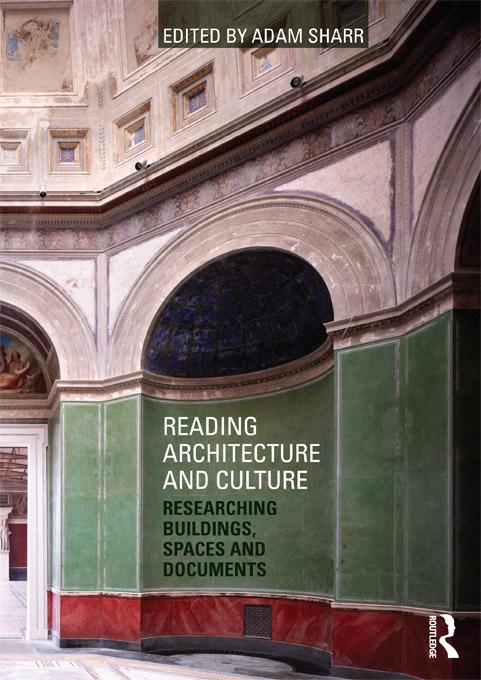
Architecture displays the values involved in its inhabitation, construction, procurement and design. It traces the thinking of the individuals who have participated in it, their relationships, and their involvement in the cultures where they lived and worked. In this way, buildings, their details, and the documents used to make them, can be read closely for cultural insights.
Introducing the idea of reading buildings as cultural artefacts, this book presents perceptive readings by eminent writers which demonstrate the power of this approach.
The chapters show that close readings of architecture and its materials can test commonplace assumptions, help architects to appreciate the contexts in which they work, and indicate ways to think more astutely about design. The readings collected in this innovative and accessible book address buildings, specifications and photographs. They range in time from the fifteenth century – examining the only surviving drawing made by Leon Battista Alberti – to the recent past – projects completed by Norman Foster in 2006 and Herzog and De Meuron in 2008. They range geographically from France to Puerto Rico to Kazakhstan and they range in fame from buildings celebrated by critics to house extensions and motorway service areas.
Taken together, these essays demonstrate important research methods which yield powerful insights for designers, critics and historians, and lessons for students.
Pay easily by card, Klarna, Apple Pay or Google Pay. Not happy? You always have a 14-day money-back guarantee. Read more in our terms. If you have any questions, email us at hello@memmo.org.
Memmo makes studying easier – wherever you are in the world. We bring your course books and smart study tools together in one place: summaries, quizzes, podcasts and flashcards. Plus Ted, your study buddy who answers anything you wonder. Over 50,000 students already study here – built to help you learn faster and stress less.