
That which does not kill us makes us stronger. (Nietzsche)
The phenomenon of positive personal change following devastating events has been recognized since ancient times, but given little attention by contemporary psychologists and psychiatrists, who have tended to focus on the negative consequences of stress.
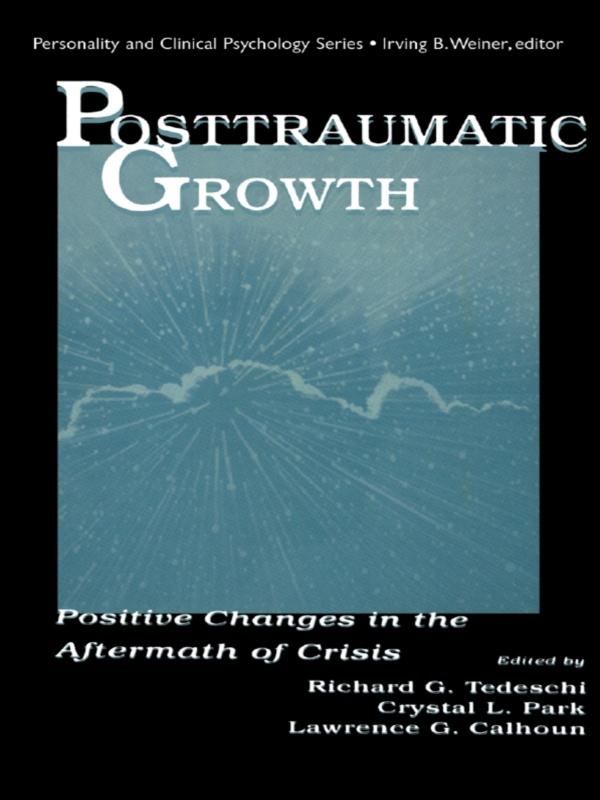
In recent years, evidence from diverse fields has converged to suggest the reality and pervasive importance of the processes the editors sum up as posttraumatic growth. This volume offers the first comprehensive overview of these processes. The authors address a variety of traumas--among them bereavement, physical disability, terminal illness, combat, rape, and natural disasters--following which experiences of growth have been reported.
How can sufferers from posttraumatic stress disorder best be helped? What does "resilience" in the face of high risk mean? Which personality characteristics facilitate growth? To what extent is personality change possible in adulthood? How can concepts like happiness and self-actualization be operationalized? What role do changing belief systems, schemas, or "assumptive worlds" play in positive adaptation? Is "stress innoculation" possible? How do spiritual beliefs become central for many people struck by trauma, and how are posttraumatic growth and recovery from substance abuse or the crises of serious physical illnesses linked?
Such questions have concerned not only the recently defined and expanding group of "traumatologists," but also therapists of all sorts, personality and social psychologists, developmental and cognitive researchers, specialists in health psychology and behavioral medicine, and those who study religion and mental health. Overcoming the challenges of life's worst experiences can catalyze new opportunities for individual and social development. Learning about persons who discover or create the perception of positive change in their lives may shed light on the problems of those who continue to suffer.
Posttraumatic Growth will stimulate dialogue among personality and social psychologists and clinicians, and influence the theoretical foundations and clinical agendas of investigators and practitioners alike.
Pay easily by card, Klarna, Apple Pay or Google Pay. Not happy? You always have a 14-day money-back guarantee. Read more in our terms. If you have any questions, email us at hello@memmo.org.
Memmo makes studying easier – wherever you are in the world. We bring your course books and smart study tools together in one place: summaries, quizzes, podcasts and flashcards. Plus Ted, your study buddy who answers anything you wonder. Over 50,000 students already study here – built to help you learn faster and stress less.