
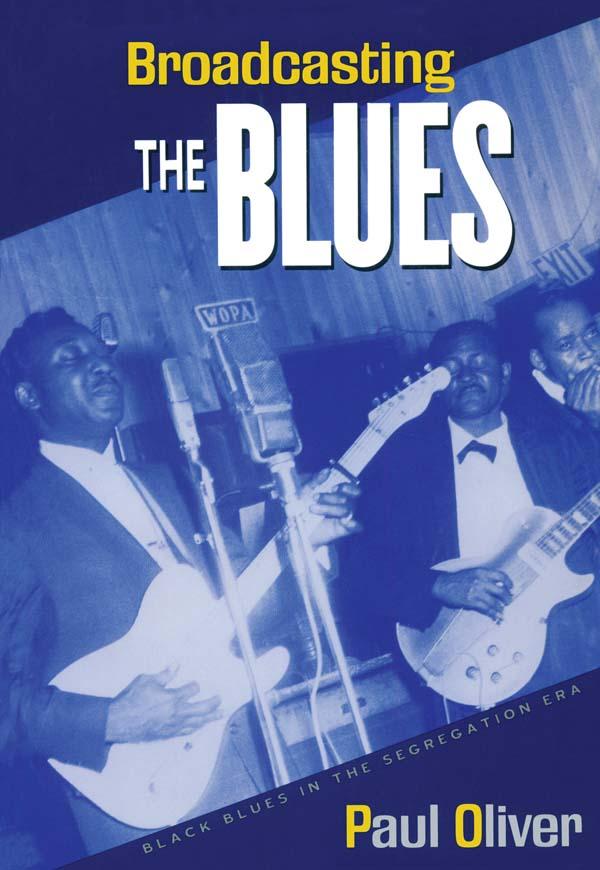
Broadcasting the Blues: Black Blues in the Segregation Era is based on Paul Oliver's award-winning radio broadcasts from the BBC that were created over several decades. It traces the social history of the blues in America, from its birth in the rural South through the heyday of sound recordings. Noted blues scholar Paul Oliver draws on decades of research and personal interviews with performers--some of whom he "discovered" and recorded for the first time--to draw a picture of how the blues aesthetic developed, giving new insights into the role blues played in American society before racial integration.
The book begins by outlining the history of the blues from African music through country stomps, ragtime songs, and field hollers. From the heroic figures of black folksong--including the steel-driving railroad worker John Henry and the destructive Boll Weevil--to the content of the emerging blues, the author discusses the "meaning" behind the often coded words of the blues, evoking topics such as playful sexuality, magic and medicine, the stresses of segregation, and commentary on national events. Finally, the author traces the history of blues documentation, showing how our views of the early blues have been shaped through a complex interplay of social forces, and indicating possible lines for future research.
Pay easily by card, Klarna, Apple Pay or Google Pay. Not happy? You always have a 14-day money-back guarantee. Read more in our terms. If you have any questions, email us at hello@memmo.org.
Memmo makes studying easier – wherever you are in the world. We bring your course books and smart study tools together in one place: summaries, quizzes, podcasts and flashcards. Plus Ted, your study buddy who answers anything you wonder. Over 50,000 students already study here – built to help you learn faster and stress less.