
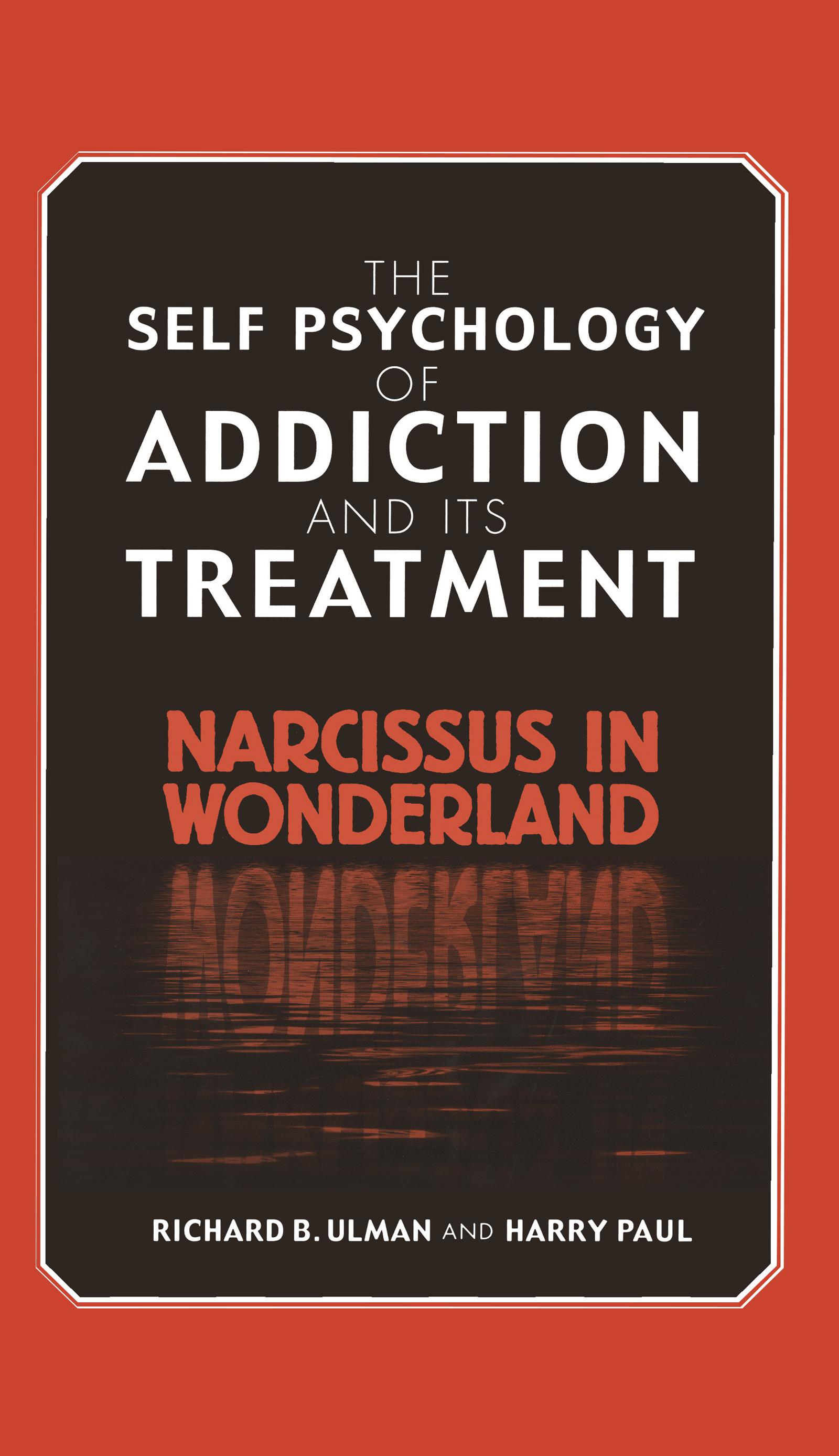
In the time of Freud, the typical psychoanalytic patient was afflicted with neurotic disorders; however, the modern-day psychotherapy patient often suffers instead from a variety of addictive disorders. As the treatment of neurotic disorders based on unconscious conflicts cannot be applied to treatment of addictive disorders, psychoanalysis has been unable to keep pace with the changes in the type of patient seeking help. To address the shift and respond to contemporary patients’ needs, Ulman and Paul present a thorough discussion of addiction that studies and analyzes treatment options. Their honest and unique work provides new ideas that will help gain access to the fantasy worlds of addicted patients.
The Self Psychology of Addiction and Its Treatment emphasizes clinical approaches in the treatment of challenging narcissistic patients struggling with the five major forms of addiction. Ulman and Paul focus on six specific case studies that are illustrative of the five forms of addiction. They use the representative subjects to develop a self psychological model that helps to answer the pertinent questions regarding the origins and pathway of addiction. This comprehensive book links addiction and trauma in an original manner that creates a greater understanding of addiction and its foundations than any clinical or theoretical model to date.
Pay easily by card, Klarna, Apple Pay or Google Pay. Not happy? You always have a 14-day money-back guarantee. Read more in our terms. If you have any questions, email us at hello@memmo.org.
Memmo makes studying easier – wherever you are in the world. We bring your course books and smart study tools together in one place: summaries, quizzes, podcasts and flashcards. Plus Ted, your study buddy who answers anything you wonder. Over 50,000 students already study here – built to help you learn faster and stress less.