
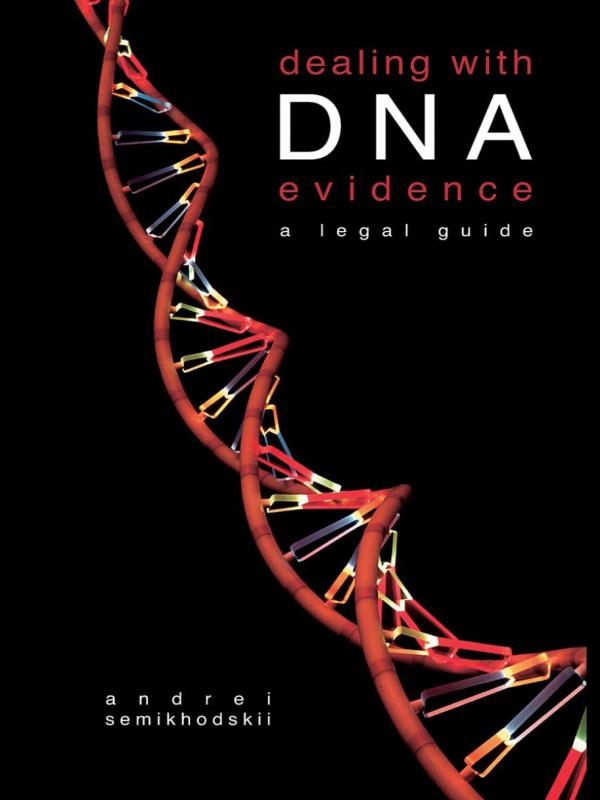
Giving the reader an in-depth understanding of DNA evidence in criminal practice, this text explains in clear language how DNA evidence is obtained and how it can be successfully challenged in court to minimize its impact or even dismiss it completely.
Since it first entered the criminal legal practice DNA has become an indispensable tool in fighting crime, as it allows both unambiguous identification of the criminal by traces of biological material left at the crime scene as well as acquitting innocent suspects.
This book:
- outlines the various types of testing used to obtain DNA evidence
- highlights the weaknesses of DNA testing, presenting and discussing defence strategies for refuting DNA evidence
- shows how DNA should be treated as just another piece of evidence and how on its own it is often not enough to convict someone of a particular crime.
This book is essential reading for students and practitioners of criminal law and practice and forensic science and law.
Pay easily by card, Klarna, Apple Pay or Google Pay. Not happy? You always have a 14-day money-back guarantee. Read more in our terms. If you have any questions, email us at hello@memmo.org.
Memmo makes studying easier – wherever you are in the world. We bring your course books and smart study tools together in one place: summaries, quizzes, podcasts and flashcards. Plus Ted, your study buddy who answers anything you wonder. Over 50,000 students already study here – built to help you learn faster and stress less.