
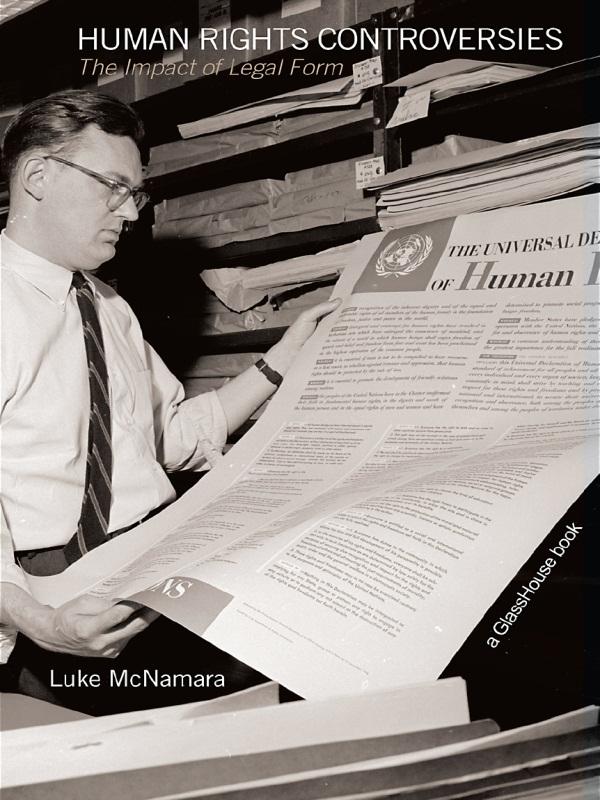
Many countries confront similar human rights controversies, but, despite the claimed universality of human rights values they are not always resolved in the same way. Why? What role do local legal conditions play? Is human rights discourse more potent where rights are constitutionally entrenched, rather than where there is a tradition of respect for underlying human rights values but no bill of rights?
Comparative socio-legal examination of three recent controversies - double jeopardy reform, recognition of same-sex relationships and the operation of hate speech laws - in four countries - Australia, Canada, New Zealand and the United Kingdom provides answers to these questions.
Examination of these controversies suggests that differences in the design of domestic legal institutions and procedures for the injection of human rights values into legal decision-making processes can have a powerful effect on the manner in which human rights issues are constructed, handled and resolved.
Pay easily by card, Klarna, Apple Pay or Google Pay. Not happy? You always have a 14-day money-back guarantee. Read more in our terms. If you have any questions, email us at hello@memmo.org.
Memmo makes studying easier – wherever you are in the world. We bring your course books and smart study tools together in one place: summaries, quizzes, podcasts and flashcards. Plus Ted, your study buddy who answers anything you wonder. Over 50,000 students already study here – built to help you learn faster and stress less.