
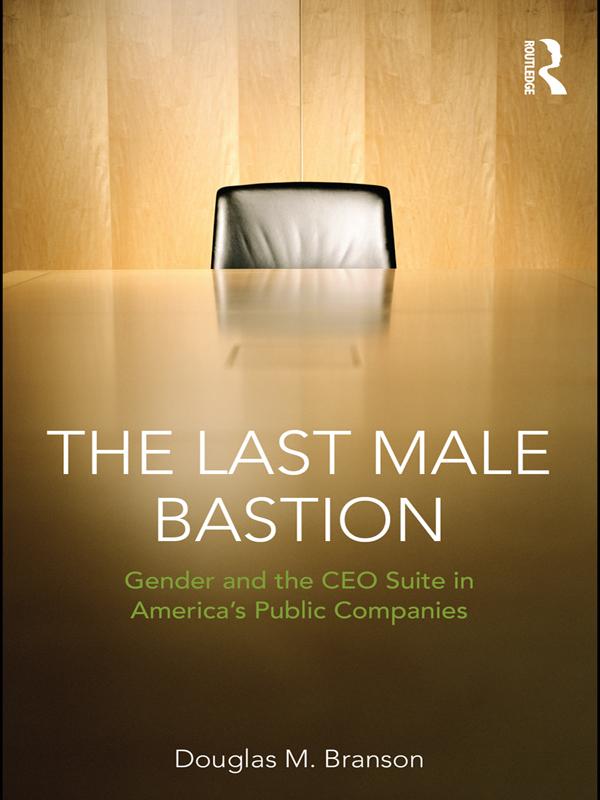
Not until 1997 did a female become chief executive officer of a Fortune 500 corporation (Jill Barad, at Mattel Toy Co. Women’s progress since that time has been in fits and starts, exceedingly slow. The number of women CEOs reached 4 in 1999 only to slide back to 2 in 2001. Meanwhile, while not reaching anything approaching parity, women made significant strides in politics (as senators, cabinet secretaries and governors), in not-for-profit spheres (as CEOs of health care and hospital organizations or of United Way chapters, with budgets of billions of dollars), and at colleges and universities (23 % have female presidents or chancellors). Currently, 3%, or 15, of Fortune 500 CEOs are women.
After examining in detail the educations, career progressions, pronouncements and observations, as well as family lives, of the 19 women who have risen to the top (sitting and former CEOs), this book asks, and attempts to answer, two questions:
Why haven’t more women reached the CEO suite?How might women in business better position themselves to ascend to the pinnacle?
Pay easily by card, Klarna, Apple Pay or Google Pay. Not happy? You always have a 14-day money-back guarantee. Read more in our terms. If you have any questions, email us at hello@memmo.org.
Memmo makes studying easier – wherever you are in the world. We bring your course books and smart study tools together in one place: summaries, quizzes, podcasts and flashcards. Plus Ted, your study buddy who answers anything you wonder. Over 75,000 students already study here – built to help you learn faster and stress less.