
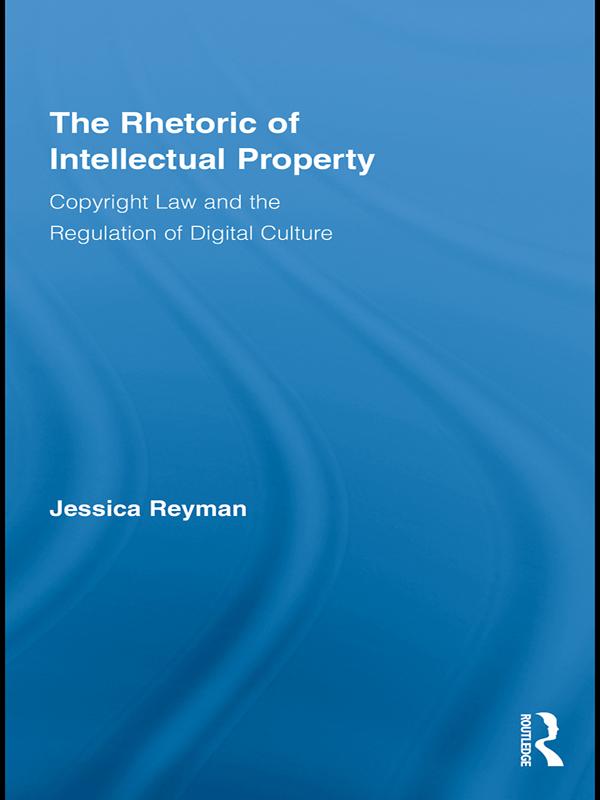
In recent years we have witnessed a rising tension between the open architecture of the Internet and legal restrictions for online activities. The impact of digital recording technologies and distributed file sharing systems has forever changed the expectations of everyday users with regard to digital information. At the same time, however, U.S. Copyright Law has shown a decided trend toward more restrictions over what we are able to do with digital materials. As a result, a gap has emerged between the reality of copyright law and the social reality of our everyday activities. Through an analysis of the competing rhetorical frameworks about copyright regulation in a digital age, this book shows how the stories told by active parties in the debate shape our cultural understanding of what is and is not acceptable in the use of copyrighted works on digital networks. Reyman posits recent legal developments as sites of conflict between competing value systems in our culture: one of control, relying heavily on comparisons of intellectual property to physical property, and emphasizing ownership, theft, and piracy, and the other a value of community, implementing new concepts such as that of an intellectual "commons," and emphasizing exchange, collaboration, and responsibility to a public good.
Pay easily by card, Klarna, Apple Pay or Google Pay. Not happy? You always have a 14-day money-back guarantee. Read more in our terms. If you have any questions, email us at hello@memmo.org.
Memmo makes studying easier – wherever you are in the world. We bring your course books and smart study tools together in one place: summaries, quizzes, podcasts and flashcards. Plus Ted, your study buddy who answers anything you wonder. Over 50,000 students already study here – built to help you learn faster and stress less.
You might also like
Buy the book0