
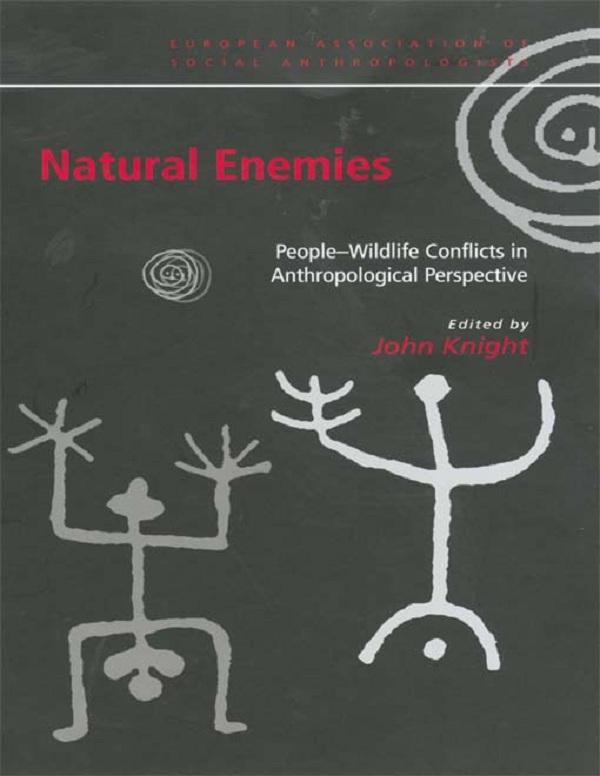
Wild animals raid crops, attack livestock, and sometimes threaten people. Conflicts with wildlife are widespread, assume a variety of forms, and elicit a range of human responses. Wildlife pests are frequently demonized and resisted by local communities while routinely 'controlled' by state authorities. However, to the great concern of conservationists, the history of many people-wildlife conflicts lies in human encroachment into wildlife territory.
In Natural Enemies the authors place the analytical focus on the human dimension of these conflicts - an area often neglected by specialists in applied ecology and wildlife management - and on their social and political contexts. Case studies of specific conflicts are drawn from Africa, Asia, Europe and America, and feature an assortment of wild animals, including chimpanzees, elephants, wild pigs, foxes, bears, wolves, pigeons and ducks.
These anthropologists challenge the narrow utilitarian view of wildlife pestilence by revealing the cultural character of many of our 'natural enemies'. Their reports from the 'front-line' expose one fact - human conflict with wildlife is often an expression of conflict between people.
Pay easily by card, Klarna, Apple Pay or Google Pay. Not happy? You always have a 14-day money-back guarantee. Read more in our terms. If you have any questions, email us at hello@memmo.org.
Memmo makes studying easier – wherever you are in the world. We bring your course books and smart study tools together in one place: summaries, quizzes, podcasts and flashcards. Plus Ted, your study buddy who answers anything you wonder. Over 50,000 students already study here – built to help you learn faster and stress less.