
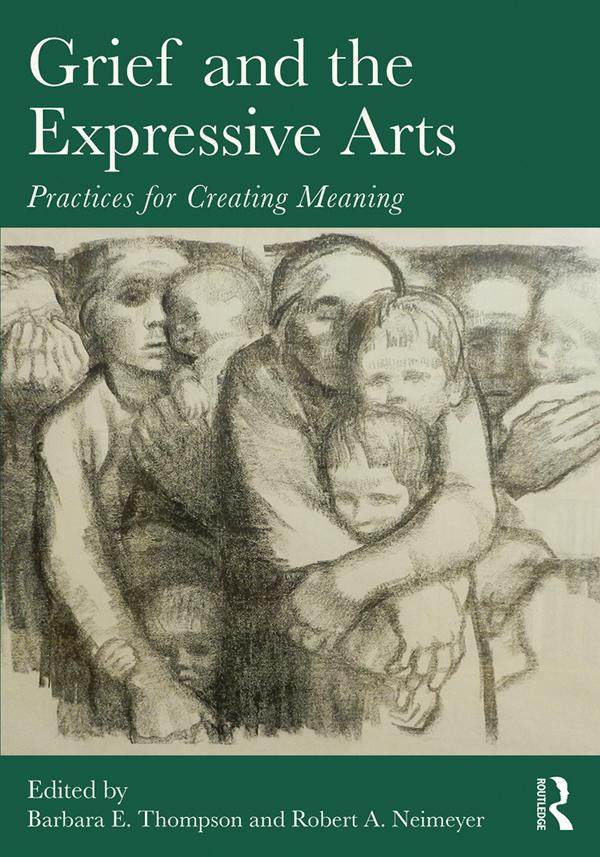
The use of the arts in psychotherapy is a burgeoning area of interest, particularly in the field of bereavement, where it is a staple intervention in hospice programs, children’s grief camps, specialized programs for trauma or combat exposure, work with bereaved parents, widowed elders or suicide survivors, and in many other contexts. But how should clinicians differentiate between the many different approaches and techniques, and what criteria should they use to decide which technique to use—and when? Grief and the Expressive Arts provides the answers using a crisp, coherent structure that creates a conceptual and relational scaffold for an artistically inclined grief therapy. Each of the book’s brief chapters is accessible and clearly focused, conveying concrete methods and anchoring them in brief case studies, across a range of approaches featuring music, creative writing, visual arts, dance and movement, theatre and performance and multi-modal practices. Any clinician—expressive arts therapist, grief counselor, or something in between—looking for a professionally oriented but scientifically informed book for guidance and inspiration need look no further than Grief and the Expressive Arts.
Pay easily by card, Klarna, Apple Pay or Google Pay. Not happy? You always have a 14-day money-back guarantee. Read more in our terms. If you have any questions, email us at hello@memmo.org.
Memmo makes studying easier – wherever you are in the world. We bring your course books and smart study tools together in one place: summaries, quizzes, podcasts and flashcards. Plus Ted, your study buddy who answers anything you wonder. Over 50,000 students already study here – built to help you learn faster and stress less.