
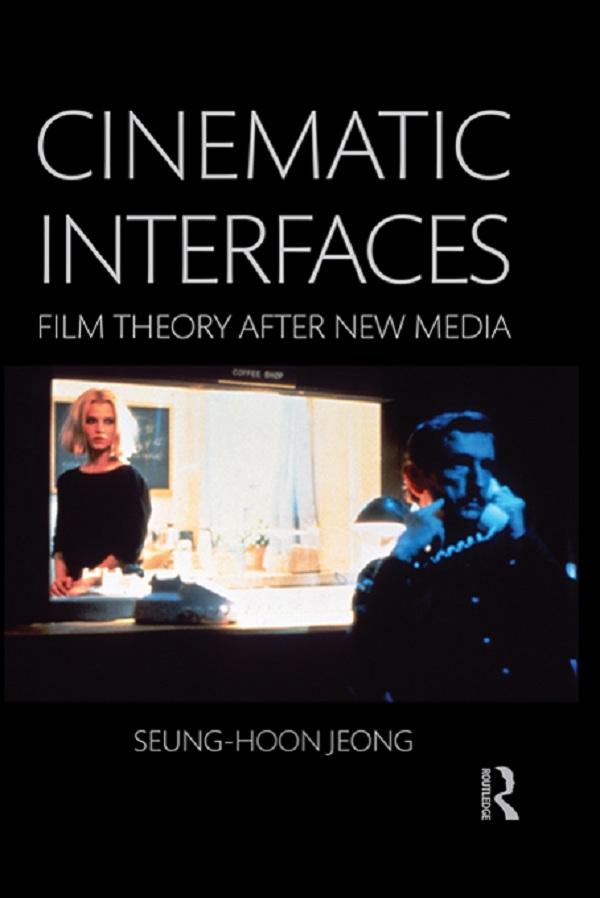
In this book, Seung-hoon Jeong introduces the cinematic interface as a contact surface that mediates between image and subject, proposing that this mediation be understood not simply as transparent and efficient but rather as asymmetrical, ambivalent, immanent, and multidirectional. Jeong enlists the new media term "interface" to bring to film theory a synthetic notion of interfaciality as underlying the multifaceted nature of both the image and subjectivity. Drawing on a range of films, Jeong examines cinematic interfaces seen on screen and the spectator’s experience of them, including: the direct appearance of a camera/filmstrip/screen, the character’s bodily contact with such a medium-interface, the object’s surface and the subject’s face as "quasi-interface," and the image itself. Each of these case studies serves as a platform for remapping and revamping major concepts in film studies such as suture, embodiment, illusion, signification, and indexicality. Looking to such theories as the ontology of the image and the phenomenology of the body, this original theorization of the cinematic interface not only offers a conceptual framework for rethinking and re-linking film and media studies, but also suggests a general theory of the interface.
Pay easily by card, Klarna, Apple Pay or Google Pay. Not happy? You always have a 14-day money-back guarantee. Read more in our terms. If you have any questions, email us at hello@memmo.org.
Memmo makes studying easier – wherever you are in the world. We bring your course books and smart study tools together in one place: summaries, quizzes, podcasts and flashcards. Plus Ted, your study buddy who answers anything you wonder. Over 50,000 students already study here – built to help you learn faster and stress less.