
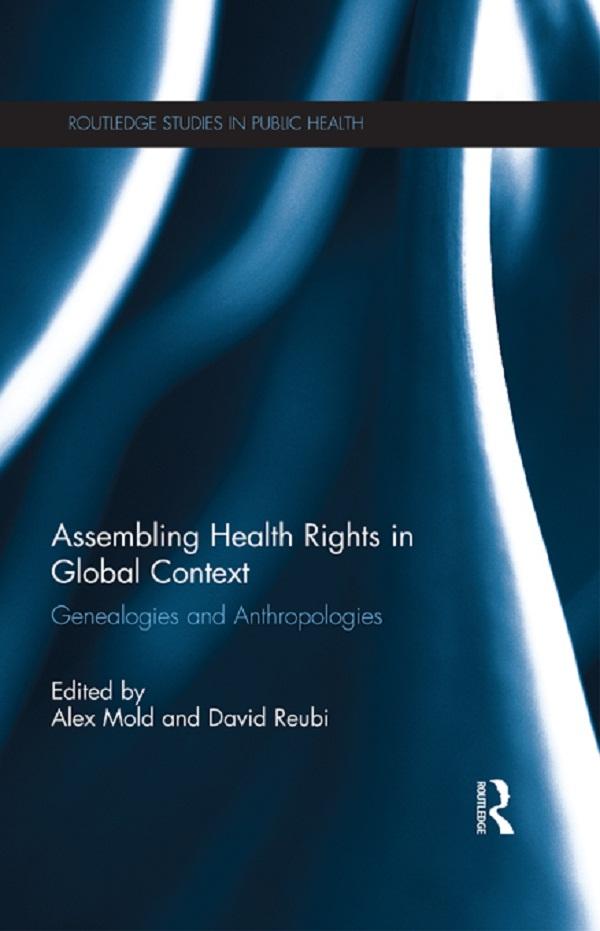
What do we mean when we talk about rights in relation to health? Where does the language of health rights come from, and what are the implications of using such a discourse?
During the last 20 years there have been an increasing number of initiatives and efforts – for instance in relation to HIV/AIDS – which draw on the language, institutions and procedures of human rights in the field of global health. This book explores the historical, cultural and social context of public health activists’ increasing use of rights discourse and examines the problems it can entail in practice.
Structured around three interlinked themes, this book begins by looking at what health as a right means for our understandings of citizenship and political subjectivities. It then goes on to look at how and why some health problems came to be framed as human rights issues. The final part of the book investigates what happens when health rights are put into practice – how these are implemented, realised, cited, ignored and resisted.
Assembling Health Rights in Global Context provides an in-depth discussion of the historical, anthropological, social and political context of rights in health and develops much needed critical perspectives on the human rights approach to global health. It will be of interest to scholars of public health and human rights within health care as well as sociology and anthropology.
Pay easily by card, Klarna, Apple Pay or Google Pay. Not happy? You always have a 14-day money-back guarantee. Read more in our terms. If you have any questions, email us at hello@memmo.org.
Memmo makes studying easier – wherever you are in the world. We bring your course books and smart study tools together in one place: summaries, quizzes, podcasts and flashcards. Plus Ted, your study buddy who answers anything you wonder. Over 50,000 students already study here – built to help you learn faster and stress less.