
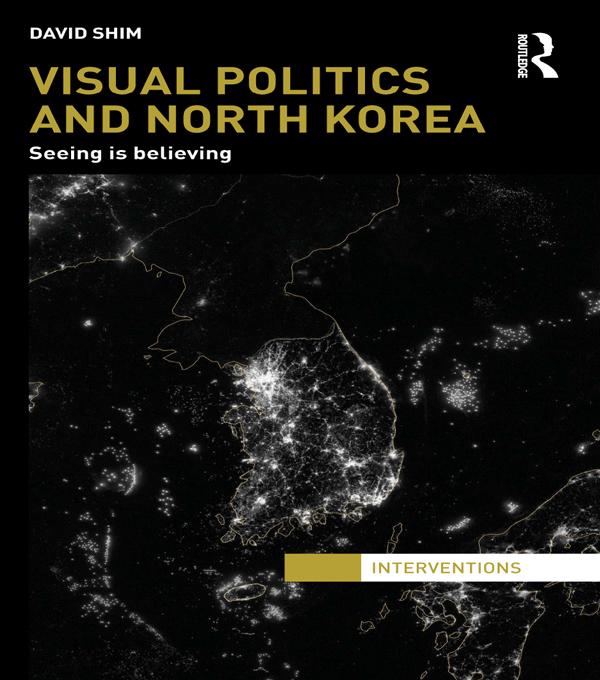
In the realm of international relations, there are seemingly few states like North Korea. Whether it is the country’s human rights situation, its precarious everyday life or its so-called foreign policy of coercion and nuclear brinkmanship, no matter what this ‘pariah’ nation says and does it affects the state and stability of regional and global politics. But what do we know about North Korea and how do we come to know it? This book argues that visual imagery plays a decisive role in this operation. By discussing two exemplary areas – everyday photography and satellite imagery – the book takes into account the role of images in the way that particular issues related to North Korea are understood in contemporary geopolitics. Images work. They do something by evoking a particular perspective of what is shown in them, allowing only specific ways of seeing and knowing. In this sense, images are deeply political. Individual methodological usages in the book can provide a procedural basis from which to start or rethink further studies on visuality, both in IR and beyond. It also opens an innovative path for future studies on East Asia, making the book attractive to a range of specialists and thus holding an appeal beyond the boundaries of a single discipline.
Pay easily by card, Klarna, Apple Pay or Google Pay. Not happy? You always have a 14-day money-back guarantee. Read more in our terms. If you have any questions, email us at hello@memmo.org.
Memmo makes studying easier – wherever you are in the world. We bring your course books and smart study tools together in one place: summaries, quizzes, podcasts and flashcards. Plus Ted, your study buddy who answers anything you wonder. Over 50,000 students already study here – built to help you learn faster and stress less.