
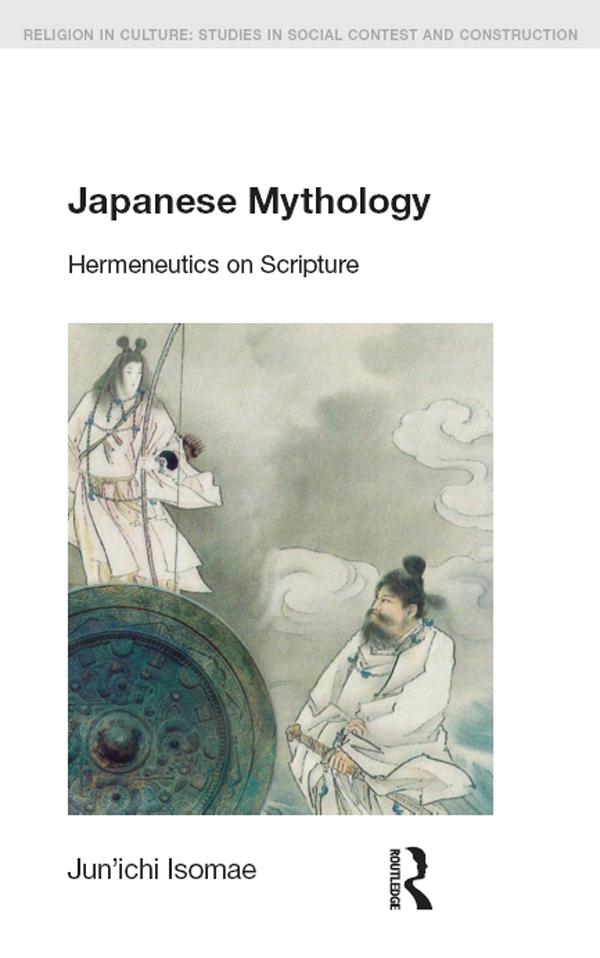
Before the westernisation of Japan, mythological events were treated as national history. Two key documents have contributed to this history, both written over 1300 years ago: 'Kojiki', the Tale of Old Age, and 'Nihonshoki', the Chronicle of Japanese History. Both the Imperial Court and the general public searched for the origin of their identity in these documents, which took on the central and sacred role of scripture. Through the act of commentary and interpretation, the sacred books connected interpreters to their historical origins, authenticating where they came from, the emergence of the Japanese archipelago, and the uniqueness of the Japanese people. 'Japanese Mythology' explores the nation's attraction to this act of historical grounding and the varying identities that emerged during different historical periods. The study reveals that, rather than having any clear and unified substance, Japanese mythology has always been the result of a nostalgic desire to retrieve historical origins.
Pay easily by card, Klarna, Apple Pay or Google Pay. Not happy? You always have a 14-day money-back guarantee. Read more in our terms. If you have any questions, email us at hello@memmo.org.
Memmo makes studying easier – wherever you are in the world. We bring your course books and smart study tools together in one place: summaries, quizzes, podcasts and flashcards. Plus Ted, your study buddy who answers anything you wonder. Over 50,000 students already study here – built to help you learn faster and stress less.
You might also like
Buy the book0