
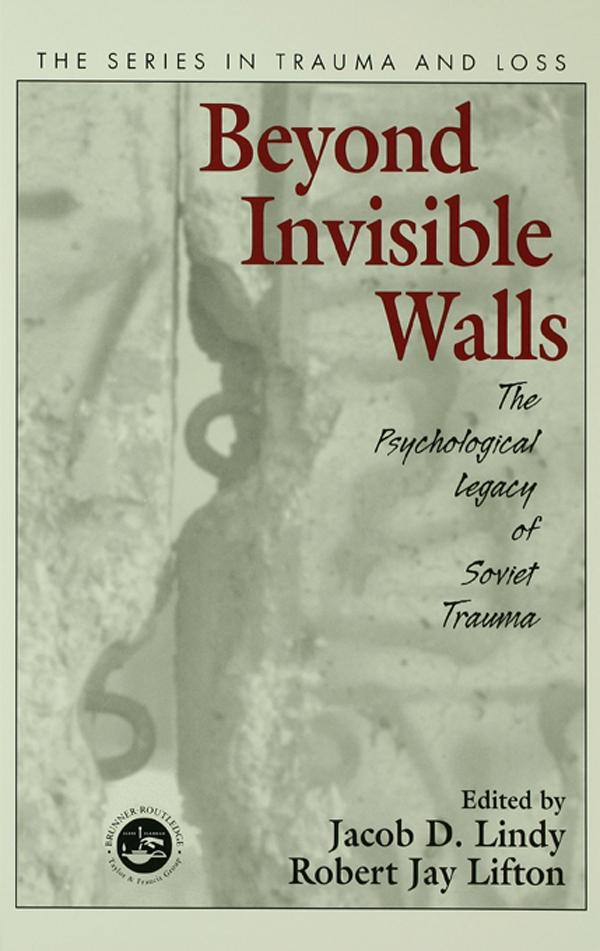
When the Berlin Wall fell in 1989, Westerners watched those who had survived the era of Soviet trauma emerge into what we hoped would be the exhilarating light of freedom. What we have witnessed, however, is a slow and painful process of progression and regression, of hope and disillusionment, of unexpected psychological barriers: invisible walls that block the progress we had hoped for. In Beyond Invisible Walls, East European therapists, themselves, draw a compelling picture of the waves of trauma that their people endured, the institutions of trauma that remained well after Stalin's era, and their impact on survivors and their families. They describe the psychological remnants of those years: walls that confine people by unconsciously preserving old adaptations to political terror, walls that divide one part of the mind from another, and walls that rise between one generation and the next. These therapists' stories allow us a striking glimpse into how patients' trauma evokes the therapists' own wounds; how both speaker and empathic listener find their way to a healing process, how the two begin to dismantle these invisible walls.
Pay easily by card, Klarna, Apple Pay or Google Pay. Not happy? You always have a 14-day money-back guarantee. Read more in our terms. If you have any questions, email us at hello@memmo.org.
Memmo makes studying easier – wherever you are in the world. We bring your course books and smart study tools together in one place: summaries, quizzes, podcasts and flashcards. Plus Ted, your study buddy who answers anything you wonder. Over 50,000 students already study here – built to help you learn faster and stress less.
You might also like
Buy the book0