
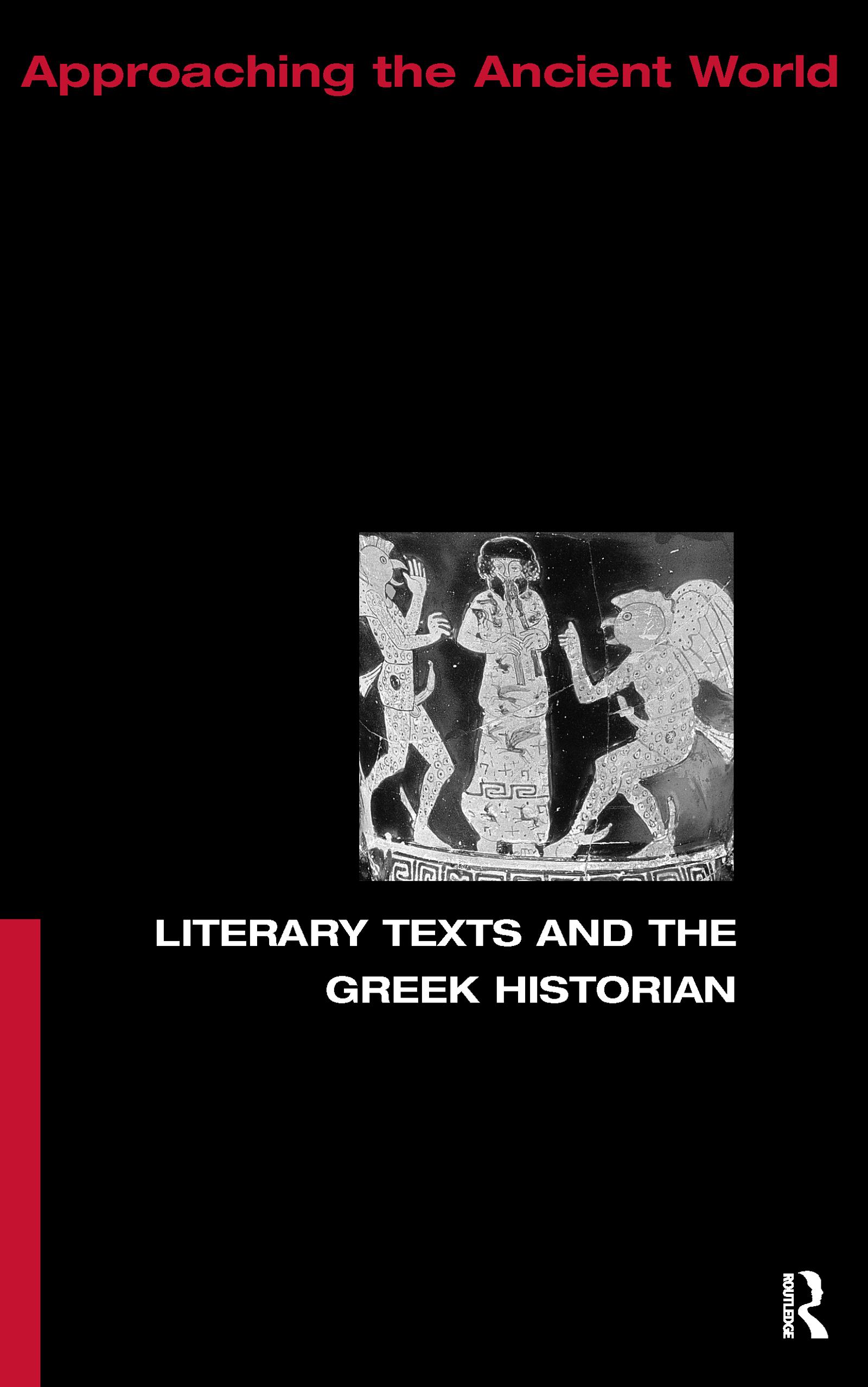
Our knowledge of Greek history rests largely on literary texts - not merely historians (especially Herodotus, Thucylides and Xenephon), but also tragedies, comedies, speeches, biographies and philosophical works. These texts are themselves among the most skilled and highly wrought productions of a brilliant rhetorical culture. How is the historian to use them? This book addresses this problem by taking a series of extended test-cases, and discussing how we should and should not try to exploit the texts. In some instances we can investigate 'what really happened', and the ways in which the texts manipulate, remould, or colour it according to their own rhetorical strategies; in others the most illuminating aspect may be those strategies themselves, and what they tell us about the culture - how it figured questions of sex and gender, politics, citizenship and the city, the law and the courts and how wars happen. Literary Texts and the Greek Historian concentrates on Athens in the second half of the fifth-century, when many of the principal genres came together, but includes some examples from earlier (Aeschylus ^Oresteia>) and later (including Aristotles poetics). Literary Texts and the Greek Historian examines the range of responses to these texts and suggests new ways in which literary criticism can illuminate the society from which these texts sprang.
Pay easily by card, Klarna, Apple Pay or Google Pay. Not happy? You always have a 14-day money-back guarantee. Read more in our terms. If you have any questions, email us at hello@memmo.org.
Memmo makes studying easier – wherever you are in the world. We bring your course books and smart study tools together in one place: summaries, quizzes, podcasts and flashcards. Plus Ted, your study buddy who answers anything you wonder. Over 75,000 students already study here – built to help you learn faster and stress less.
You might also like
Buy the book0