
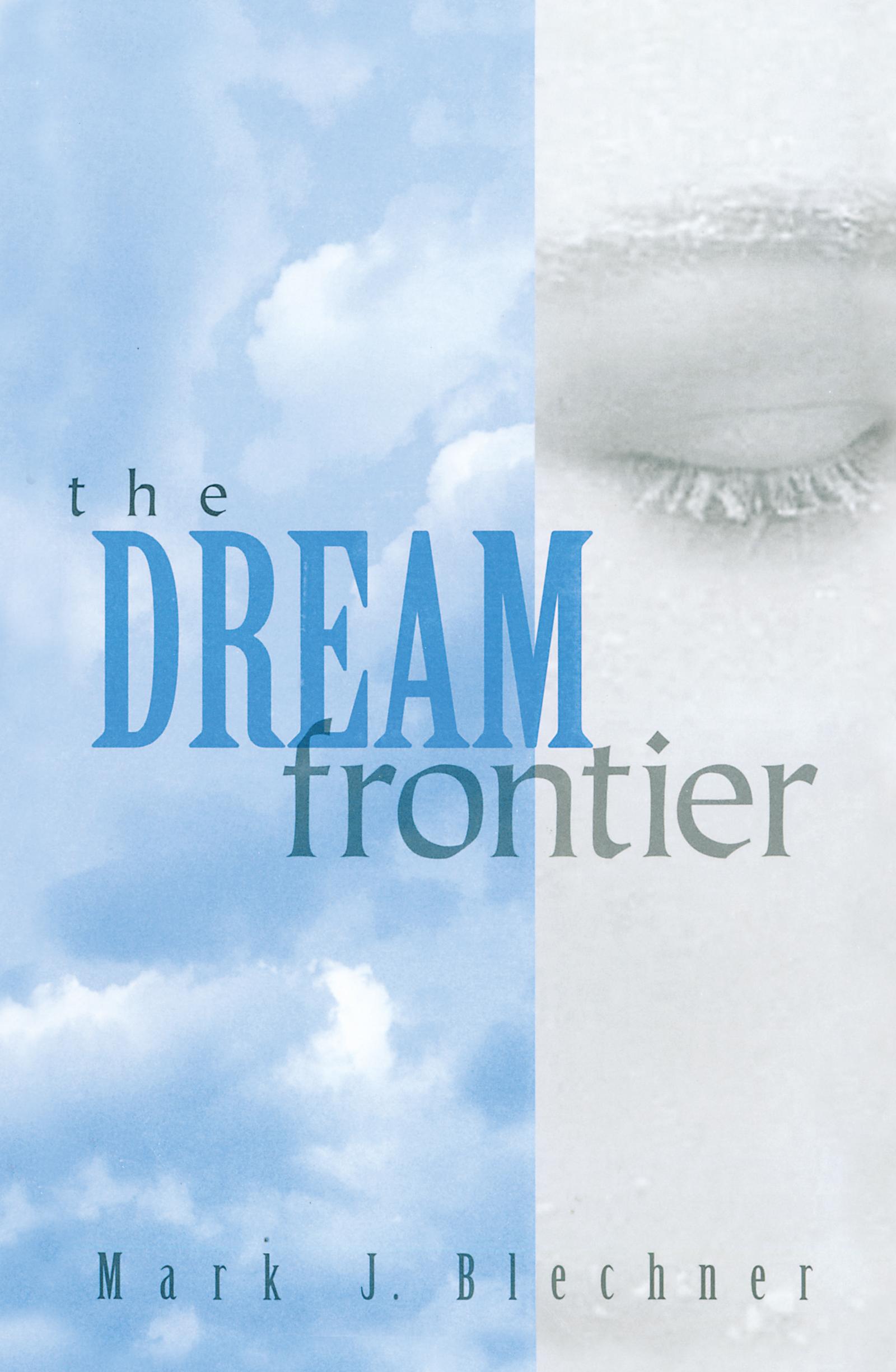
The Dream Frontier is that rare book that makes available the cumulative wisdom of a century's worth of clinical examination of dreams and then reconfigured that wisdom on the basis of research in cognitive neuroscience. Drawing on psychodynamic theorists and neuroscientific researchers with equal fluency and grace, Mark Blechner introduces the reader to a conversation of the finest minds, from Freud to Jung, from Sullivan to Erikson, from Aserinksy and Kleitman to Hobson, as the work toward an understanding of dreams and dreaming that is both scientifically credible and personally meaningful.
The dream, in Blechner's elegantly conceived overview, offers itself to the dreamer as an answer to a question yet to be asked. Approached in thi open-ended manner, dreams come to reveal the meaning-making systems of the unconscious in the total absence of waking considerations of reality testing and communicability. Systems of dream interpretation arise as helpful, if inherently limited, strategies for apprehending this unconscious quest for meaning. Whereas students will appreciate Blechner's concise reviews of the various schools of dream interpretation, teachers and supervisors will value his astute reexamination of the very process of interpretating dreams, which includes the manner in which group discussion of dreams may be employed to correct for individual interpretive biases.
Elegantly written, lucidly argued, deftly synooptic but never ponderous in tone, The Dream Frontier provides a fresh outlook on the century just passed along with the keys to the antechambers of the new century's reinvestigation of fundamental questions of conscious and unconscious mental life. It transcends the typical limits of interdisciplinary reportage and brings both researcher and clinician to the threshold of a new, mutually enriching exploration of the dream frontier in search of basic answers to basic questions.
Pay easily by card, Klarna, Apple Pay or Google Pay. Not happy? You always have a 14-day money-back guarantee. Read more in our terms. If you have any questions, email us at hello@memmo.org.
Memmo makes studying easier – wherever you are in the world. We bring your course books and smart study tools together in one place: summaries, quizzes, podcasts and flashcards. Plus Ted, your study buddy who answers anything you wonder. Over 50,000 students already study here – built to help you learn faster and stress less.