
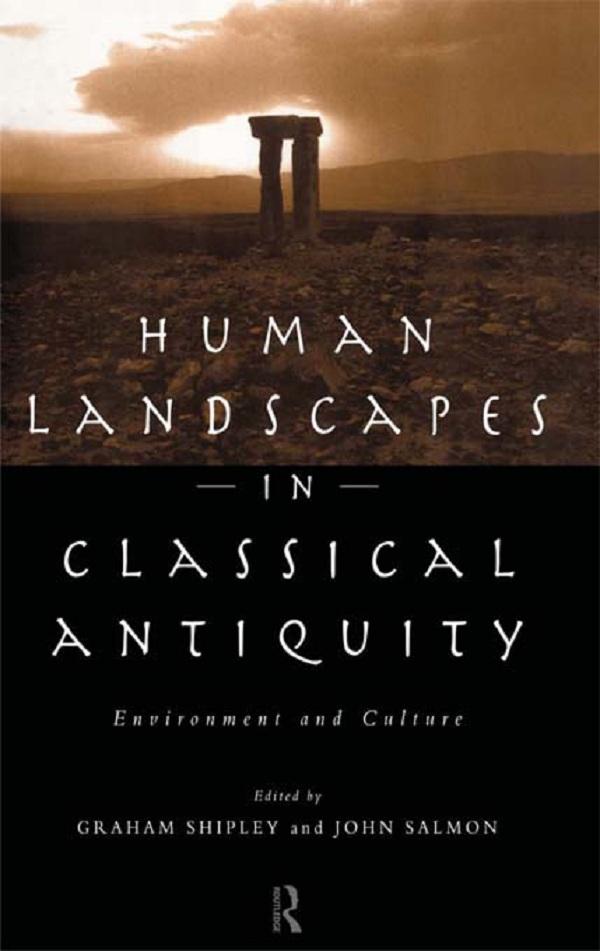
Human Landscapes in Classical Antiquity shows how today's environmental and ecological concerns can help illuminate our study of the ancient world. The contributors consider how the Greeks and Romans perceived their natural world, and how their perceptions affected society. The effects of human settlement and cultivation on the landscape are considered, as well as the representation of landscape in Attic drama. Various aspects of farming, such as the use of terraces and the significance of olive growing are examined. The uncultivated landscape was also important: hunting was a key social ritual for Greek and hellenistic elites, and 'wild' places were not wastelands but played an essential economic role. The Romans' attempts to control their environment are analyzed.
This volume shows how Greeks and Romans worked hand in hand with their natural environment and not against it. It represents an outstanding collaboration between the disciplines of history and archaeology.
Pay easily by card, Klarna, Apple Pay or Google Pay. Not happy? You always have a 14-day money-back guarantee. Read more in our terms. If you have any questions, email us at hello@memmo.org.
Memmo makes studying easier – wherever you are in the world. We bring your course books and smart study tools together in one place: summaries, quizzes, podcasts and flashcards. Plus Ted, your study buddy who answers anything you wonder. Over 75,000 students already study here – built to help you learn faster and stress less.