
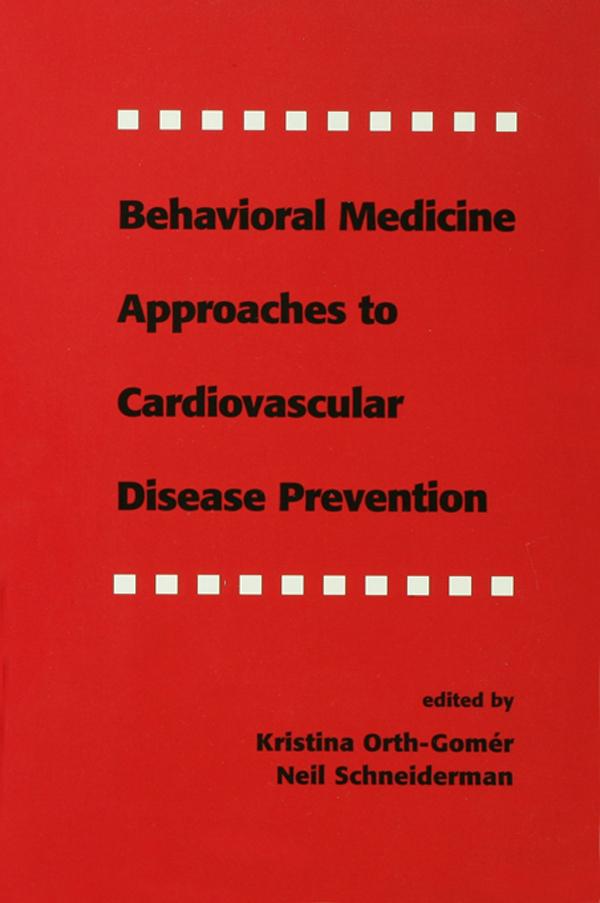
Cardiovascular disease (CVD) is the number one killer of men and women in industrialized countries. In older age groups, CVD is also the most important cause for hospitalization, and, in many countries, it is the basis of early retirement from work. Thus, CVD is associated with enormous costs for care and loss of productivity, as well as for disabilities, pensions, etc. All this has motivated clinicians and scientists to develop and implement new methodologies and technologies to better care for patients who are hospitalized for heart disease.
Efforts to improve care in the acute phases of coronary heart disease (CHD) have been successful. During the last decade, the immediate mortality risk of a patient admitted to coronary care for a suspected myocardial infarction or other acute coronary syndrome has decreased to less than 10%. Despite these achievements, CVD continues to represent a major threat to the health of middle-aged and elderly men and women.
This volume addresses myriad aspects of CHD prevention, including biobehavioral and psychosocial factors, behavioral epidemiology, behavioral intervention models, and policy. The first section of the text provides an introduction to CVD prevention and behavioral medicine. The second section introduces two theoretically different approaches to preventive action, high-risk and population-based strategies. The third section describes and discusses the important questions of how behavioral sciences can be conceptually integrated into traditional, medically based, preventive efforts. The fourth section presents both population and high-risk behavioral intervention approaches.
In summary, this volume examines the social environment and its potentials for preventive actions, reviews the psychosocial and biobehavioral mechanisms involved in these effects, and describes concrete and practical implementations of behavioral medicine knowledge as they have been applied to CHD prevention.
Pay easily by card, Klarna, Apple Pay or Google Pay. Not happy? You always have a 14-day money-back guarantee. Read more in our terms. If you have any questions, email us at hello@memmo.org.
Memmo makes studying easier – wherever you are in the world. We bring your course books and smart study tools together in one place: summaries, quizzes, podcasts and flashcards. Plus Ted, your study buddy who answers anything you wonder. Over 75,000 students already study here – built to help you learn faster and stress less.