
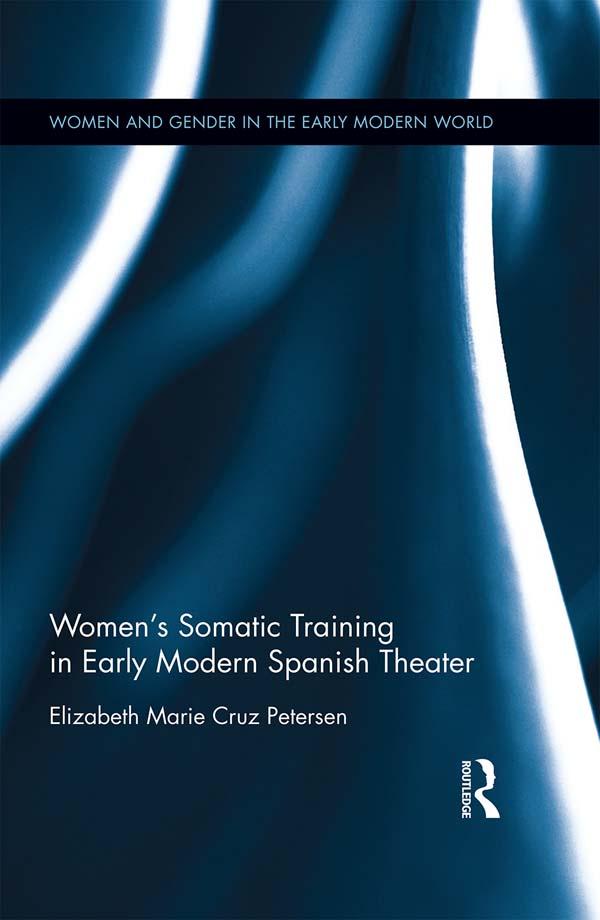
Drawing from early modern plays and treatises on the precepts and practices of the acting process, this study shows how the early modern Spanish actress subscribed to various somatic practices in an effort to prepare for a role. It provides today's reader not only another perspective to the performance aspect of early modern plays, but also a better understanding of how the woman of the theater succeeded in a highly scrutinized profession. Elizabeth Marie Cruz Petersen examines examples of comedias from playwrights such as Lope de Vega, Luis Vélez de Guevara, Tirso de Molina, and Ana Caro, historical documents, and treatises to demonstrate that the women of the stage transformed their bodies and their social and cultural environment in order to succeed in early modern Spanish theater. Women's Somatic Training in Early Modern Spanish Theater is the first full-length, in-depth study of women actors in seventeenth-century Spain. Unique in the field of comedia studies, it approaches the topic from a performance perspective, using somaesthetics as a tool to explain how an artist's lived experiences and emotions unite in the interpretation of art, reconfiguring her "self" via the transformation of habit.
Pay easily by card, Klarna, Apple Pay or Google Pay. Not happy? You always have a 14-day money-back guarantee. Read more in our terms. If you have any questions, email us at hello@memmo.org.
Memmo makes studying easier – wherever you are in the world. We bring your course books and smart study tools together in one place: summaries, quizzes, podcasts and flashcards. Plus Ted, your study buddy who answers anything you wonder. Over 75,000 students already study here – built to help you learn faster and stress less.
You might also like
Buy the book0