
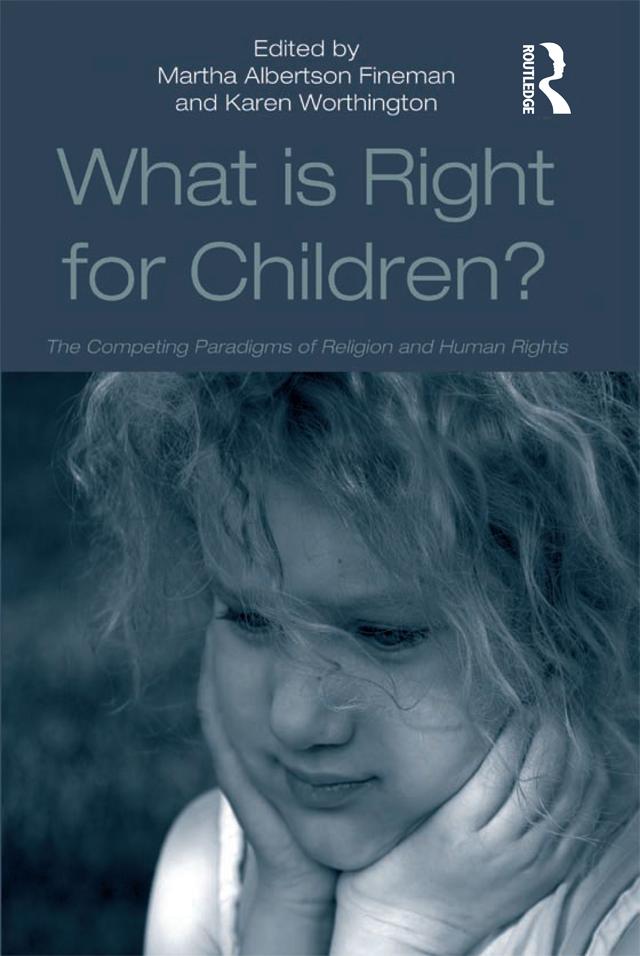
Combining feminist legal theory with international human rights concepts, this book examines the presence, participation and treatment of children in a variety of contexts. Specifically, through comparing legal developments in the US with legal developments in countries where the views that children are separate from their families and potentially in need of state protection are more widely accepted. The authors address the role of religion in shaping attitudes about parental rights in the US, with particular emphasis upon the fundamentalist belief in natural lines of familial authority. Such beliefs have provoked powerful resistance in the US to human rights approaches that view the child as an independent rights holder and the state as obligated to proved services and protections that are distinctly child-centred. Calling for a rebalancing of relationships within the US family, to become more consistent with emerging human rights norms, this collection contains both theoretical debates about and practical approaches to granting positive rights to children.
Pay easily by card, Klarna, Apple Pay or Google Pay. Not happy? You always have a 14-day money-back guarantee. Read more in our terms. If you have any questions, email us at hello@memmo.org.
Memmo makes studying easier – wherever you are in the world. We bring your course books and smart study tools together in one place: summaries, quizzes, podcasts and flashcards. Plus Ted, your study buddy who answers anything you wonder. Over 50,000 students already study here – built to help you learn faster and stress less.
You might also like
Buy the book0