
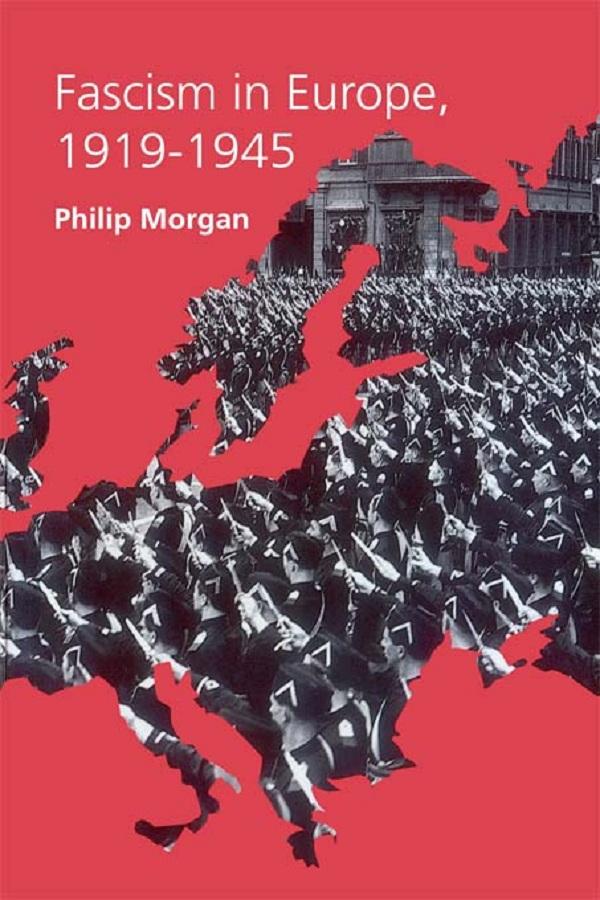
Fascism in Europe, 1919-1945 surveys the phenomenon which is still the object of interest and debate over fifty years after its defeat in the Second World War. It introduces the recent scholarship and continuing debates on the nature of fascism as well as the often contentious contributions by foreign historians and political scientists.
From the pre-First World War intellectual origins of Fascism to its demise in 1945, this book examines:
* the two 'waves' of fascism - in the immediate post-war period and in the late 1920s and early 1930s
* whether the European crisis created by the Treaty of Versailles allowed fascism to take root
* why fascism came to power in Italy and Germany, but not anywhere else in Europe
* fascism's own claim to be an international and internationalist movement
* the idea of 'totalitarianism' as the most useful and appropriate way of analyzing the fascist regimes.
Pay easily by card, Klarna, Apple Pay or Google Pay. Not happy? You always have a 14-day money-back guarantee. Read more in our terms. If you have any questions, email us at hello@memmo.org.
Memmo makes studying easier – wherever you are in the world. We bring your course books and smart study tools together in one place: summaries, quizzes, podcasts and flashcards. Plus Ted, your study buddy who answers anything you wonder. Over 50,000 students already study here – built to help you learn faster and stress less.