
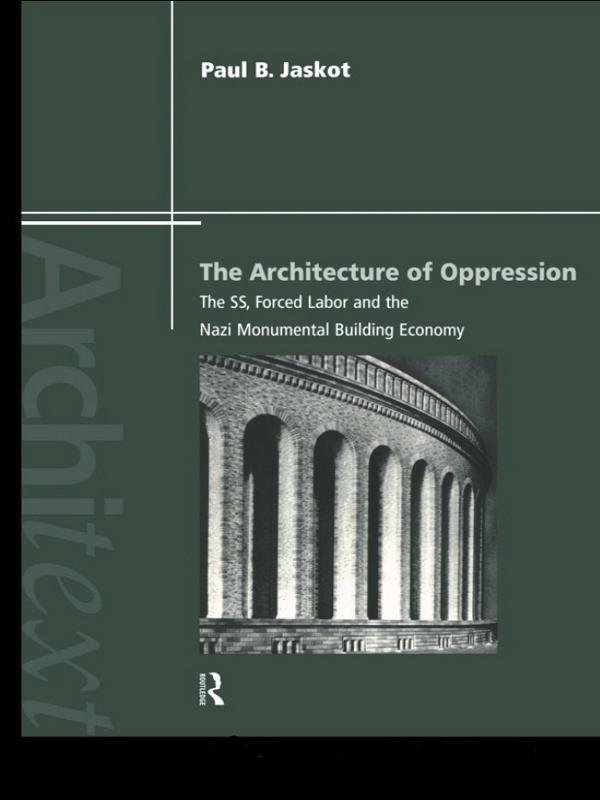
This book re-evaluates the architectural history of Nazi Germany and looks at the development of the forced-labour concentration camp system. Through an analysis of such major Nazi building projects as the Nuremberg Party Rally Grounds and the rebuilding of Berlin, Jaskot ties together the development of the German building economy, state architectural goals and the rise of the SS as a political and economic force. As a result, The Architecture of Oppression contributes to our understanding of the conjunction of culture and politics in the Nazi period as well as the agency of architects and SS administrators in enabling this process.
Pay easily by card, Klarna, Apple Pay or Google Pay. Not happy? You always have a 14-day money-back guarantee. Read more in our terms. If you have any questions, email us at hello@memmo.org.
Memmo makes studying easier – wherever you are in the world. We bring your course books and smart study tools together in one place: summaries, quizzes, podcasts and flashcards. Plus Ted, your study buddy who answers anything you wonder. Over 75,000 students already study here – built to help you learn faster and stress less.