
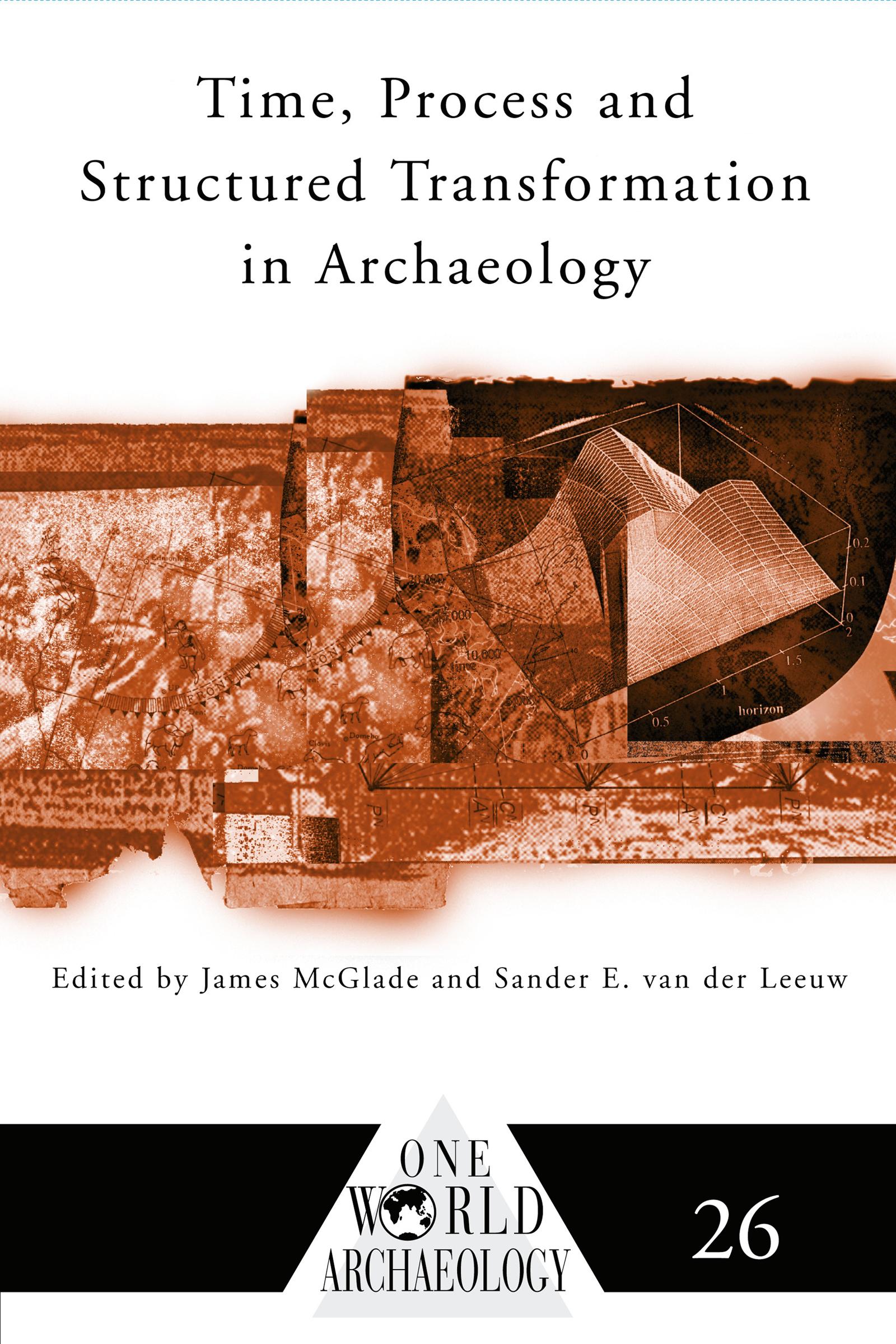
In a discipline which essentially studies how modern man came to be, it is remarkable that there are hardly any conceptual tools to describe change. This is due to the history of the western intellectual and scientific tradition, which for a long time favoured mechanics over dynamics, and the study of stability over that of change. Change was primarily deemed due to external events (in archaeology mainly climatic or 'environmental').
Revolutionary innovations in the natural and life sciences, often (erroneously) referred to as 'chaos theory', suggest that there are ways to overcome this problem. A wide range of processes can be described in terms of dynamic systems, and modern computing methods enable us to investigate many of their properties. This volume presents a cogent argument for the use of such approaches, and a discussion of a number of its aspects by a range of scientists from the humanities, social and natural sciences, and archaeology.
Pay easily by card, Klarna, Apple Pay or Google Pay. Not happy? You always have a 14-day money-back guarantee. Read more in our terms. If you have any questions, email us at hello@memmo.org.
Memmo makes studying easier – wherever you are in the world. We bring your course books and smart study tools together in one place: summaries, quizzes, podcasts and flashcards. Plus Ted, your study buddy who answers anything you wonder. Over 75,000 students already study here – built to help you learn faster and stress less.
You might also like
Buy the book0