
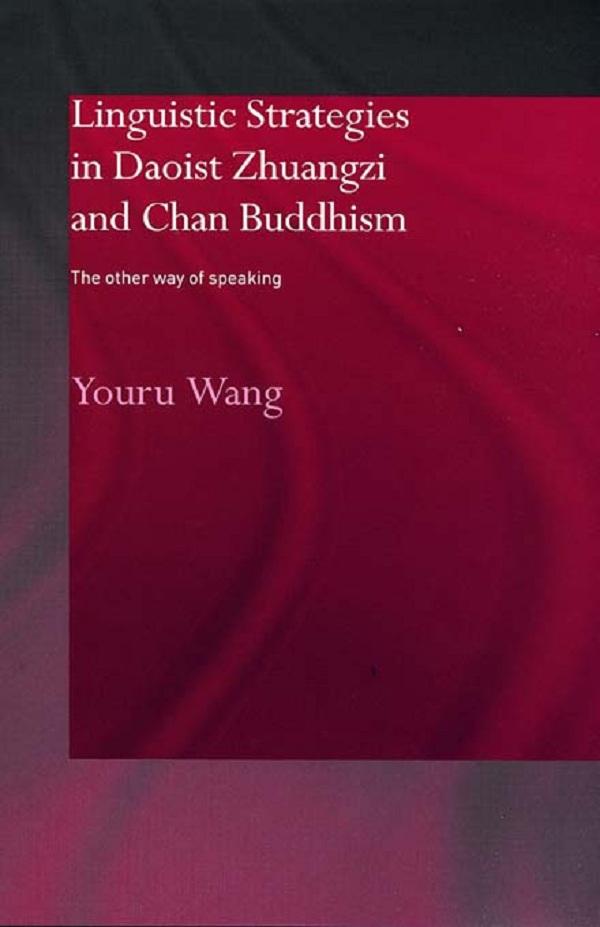
As the first systematic attempt to probe the linguistic strategies of Daoist Zhuangzi and Chan Buddhism, this book investigates three areas: deconstructive strategy, liminology of language, and indirect communication. It bases these investigations on the critical examination of original texts, placing them strictly within soteriological contexts. Whilst focusing on language use, the study also reveals some important truths about these two traditions and challenges many conventional understandings of them. Responding to recent critiques of Daoist and Chan Buddhist thought, it brings these two traditions into a constructive dialogue with contemporary philosophical reflection. It discovers Zhuangzian and Chan perspectives and sheds light on issues such as the relationship between philosophy and non-philosophy, de-reification of words, relativising the limit of language, structure of indirect communication, and use of paradox, tautology and poetic language.
Pay easily by card, Klarna, Apple Pay or Google Pay. Not happy? You always have a 14-day money-back guarantee. Read more in our terms. If you have any questions, email us at hello@memmo.org.
Memmo makes studying easier – wherever you are in the world. We bring your course books and smart study tools together in one place: summaries, quizzes, podcasts and flashcards. Plus Ted, your study buddy who answers anything you wonder. Over 50,000 students already study here – built to help you learn faster and stress less.
You might also like
Buy the book0