
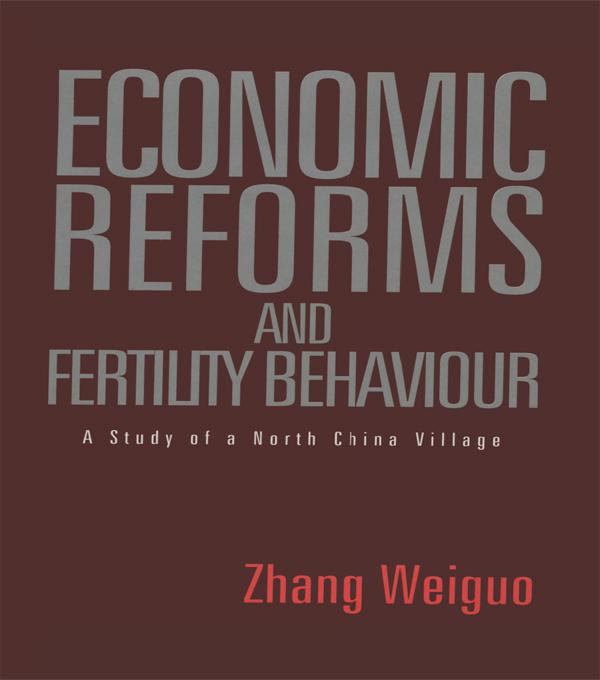
Based on an intensive fieldwork in a southern Hebei village in northern China (1992/3), the author takes an institutional approach and focuses on the way deliberate Chinese state policies driven by new economic and social agendas since the late 1970s have impacted on marriage, family relations and consequently on the way fertility trends have been adversely affected; the study is also very much concerned with the human dimension and the way in which such social and economic changes are perceived and applied in a rural community. The research presented in this study goes a long way to unravelling the puzzle concerning the reasons for a very rapid decline in Chinese fertility rates, contrasting sharply with a very different fertility transition within western cultures.
Pay easily by card, Klarna, Apple Pay or Google Pay. Not happy? You always have a 14-day money-back guarantee. Read more in our terms. If you have any questions, email us at hello@memmo.org.
Memmo makes studying easier – wherever you are in the world. We bring your course books and smart study tools together in one place: summaries, quizzes, podcasts and flashcards. Plus Ted, your study buddy who answers anything you wonder. Over 50,000 students already study here – built to help you learn faster and stress less.
You might also like
Buy the book0