
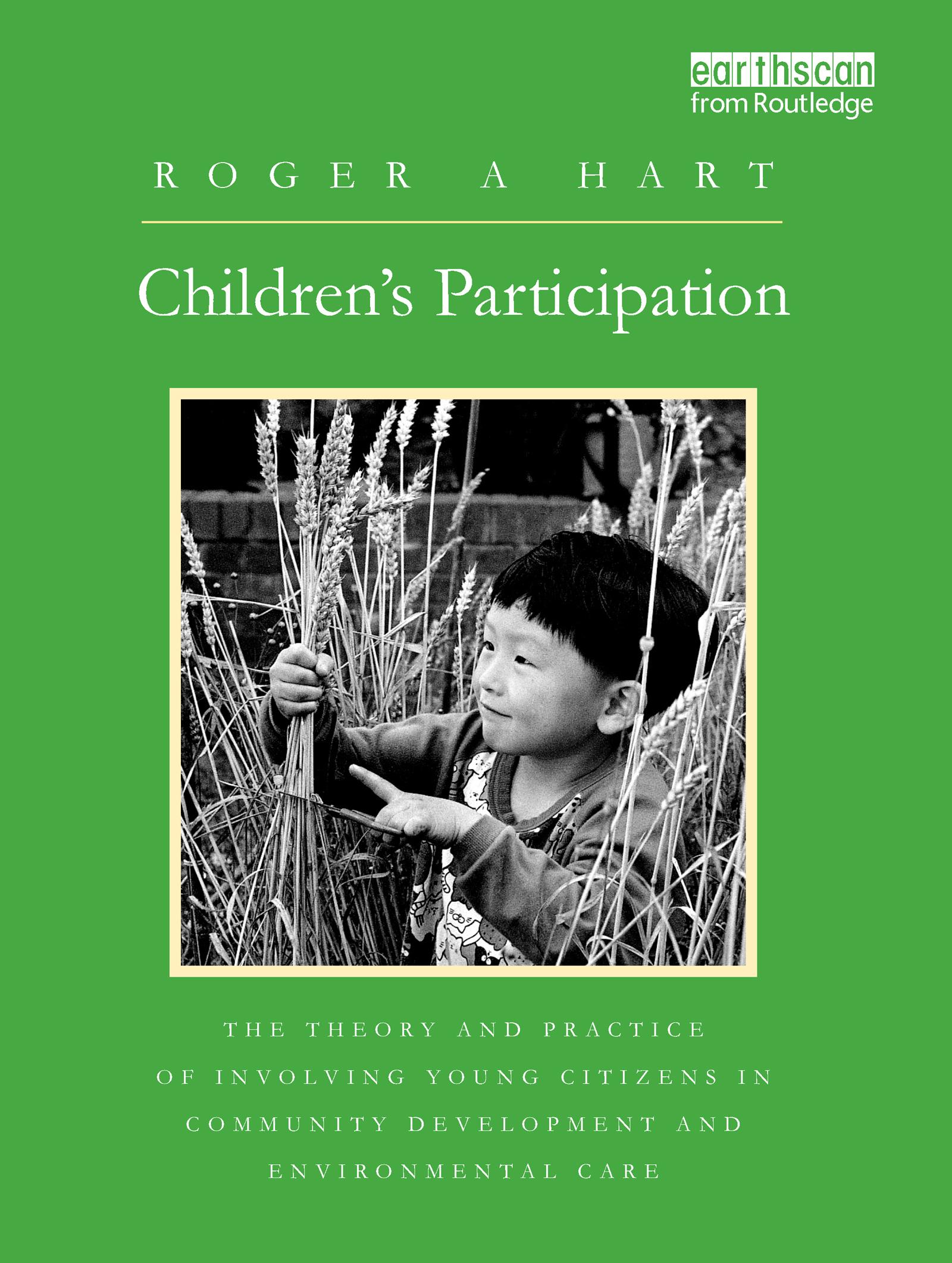
People's relationship to nature is the greatest issue facing the world at the turn of the millennium, and all over the world young people have shown enormous enthusiasm for environmental action. Many countries are radically reassessing both the role of citizens in managing their environment and the rights and responsibilities of children to be involved in shaping their own and their communities' futures.
This book, by one of the world's leading authorities on environmental education, is written in the conviction that children can play a valuable and lasting role in sustainable development, if their participation is taken seriously and planned with thought for their developing capabilities and unique strengths. Through direct participation, children can develop a genuine appreciation of democracy and a sense of their own competence and responsibility. The planning, design, monitoring and management of the physical environment is an ideal domain for their participation, in part because their commitment to it is so strong.
The book is for planners, educationalists and environmentalists, introducing the theory and the practice of children's participation, and its importance for developing democracy and sustainable communities. It emphasises genuine participation, where children are themselves involved in defining problems and acting as reflective, critical participants in issues affecting their communities. The 'environment' is interpreted broadly to include, for example, the planning of housing areas and the management of playgrounds. Detailed case studies are provided from urban and rural, poor and middle class communities from both the North and South. For teachers, group facilitators and community leaders, it presents organising principles, successful models, practical techniques and resources for involving young people in environmental projects.
Pay easily by card, Klarna, Apple Pay or Google Pay. Not happy? You always have a 14-day money-back guarantee. Read more in our terms. If you have any questions, email us at hello@memmo.org.
Memmo makes studying easier – wherever you are in the world. We bring your course books and smart study tools together in one place: summaries, quizzes, podcasts and flashcards. Plus Ted, your study buddy who answers anything you wonder. Over 50,000 students already study here – built to help you learn faster and stress less.