
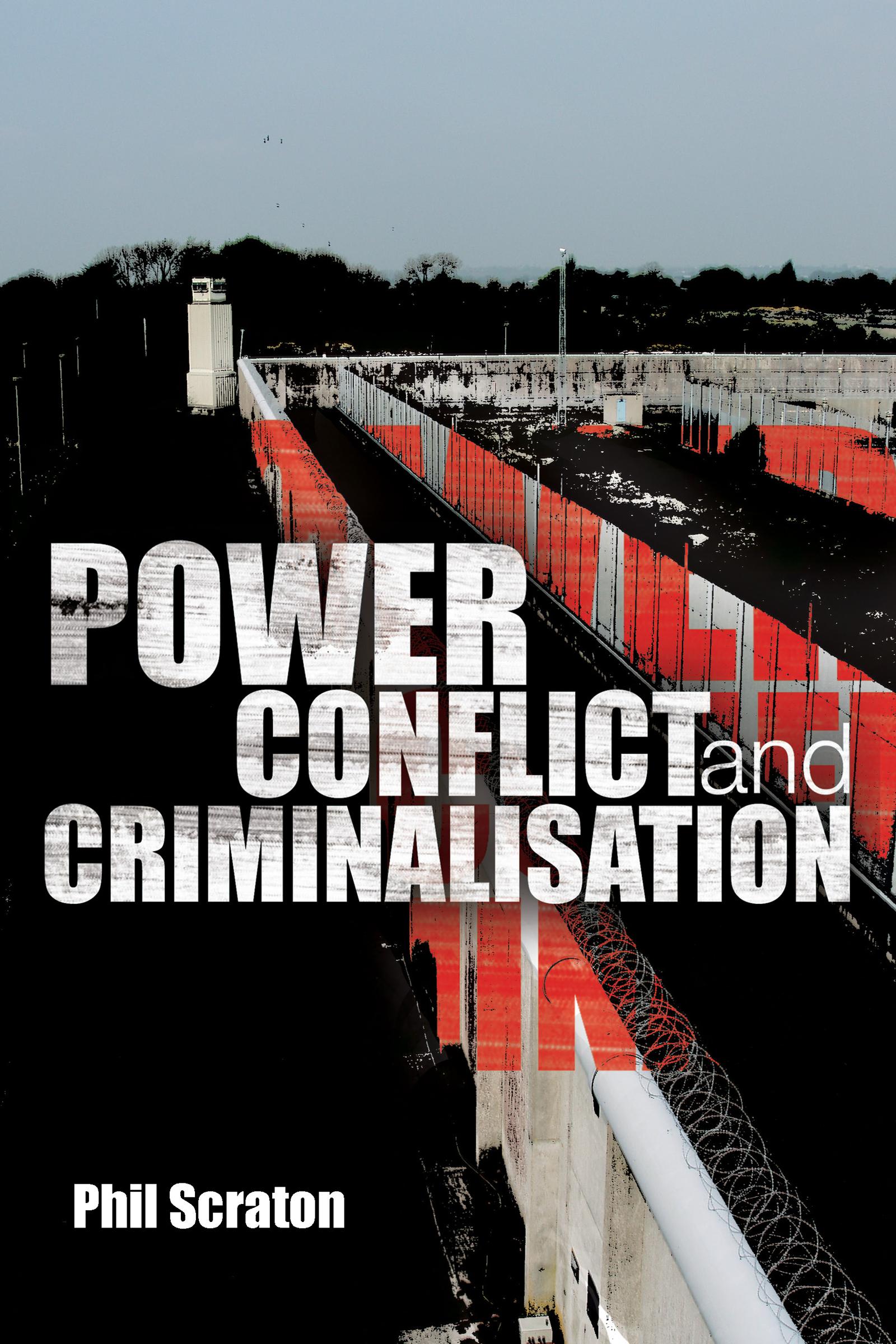
Drawing on a body of empirical, qualitative work spanning three decades, this unique text traces the significance of critical social research and critical analyses in understanding some of the most significant and controversial issues in contemporary society. Focusing on central debates in the UK and Ireland – prison protests; inner-city uprisings; deaths in custody; women’s imprisonment; transition in the north of Ireland; the ‘crisis’ in childhood; the Hillsborough and Dunblane tragedies; and the ‘war on terror’ – Phil Scraton argues that ‘marginalisation’ and ‘criminalisation’ are social forces central to the application of state power and authority. Each case study demonstrates how structural relations of power, authority and legitimacy, establish the determining contexts of everyday life, social interaction and individual opportunity.
This book explores the politics and ethics of critical social research, making a persuasive case for the application of critical theory to analysing the rule of law, its enforcement and the administration of criminal justice. It is indispensable for students in the fields of criminology, criminal justice and socio-legal studies, social policy and social work.
Pay easily by card, Klarna, Apple Pay or Google Pay. Not happy? You always have a 14-day money-back guarantee. Read more in our terms. If you have any questions, email us at hello@memmo.org.
Memmo makes studying easier – wherever you are in the world. We bring your course books and smart study tools together in one place: summaries, quizzes, podcasts and flashcards. Plus Ted, your study buddy who answers anything you wonder. Over 50,000 students already study here – built to help you learn faster and stress less.