
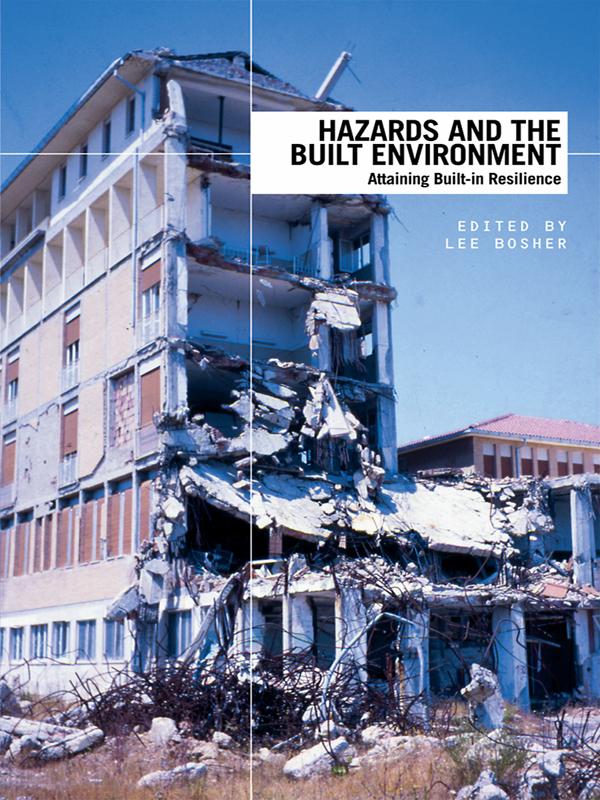
As a specialist in disaster preparation, you have huge responsibilities: a failure to prepare for natural and human-induced disasters costs lives and money. When a natural or human-induced disaster hits a built-up area the amount of damage it does will depend largely on the extent to which the built assets in the area were developed to withstand it. To fail in this respect is therefore both ethically and financially negligent.
What kinds of structural and non-structural alterations can be made to protect buildings from large-scale disasters?
How can we reduce the threat of these disasters, as well as the damage they cause?
Presenting seven guiding principles, drawn from a broad range of disciplines and approaches, this book tackles the difficult questions about what can be done to attain built-in resilience. With contributions from many renowned experts and upcoming researchers in the fields concerned, it comprehensively assesses the wide range of issues faced by practitioners. Whether you're studying construction management, researching hazard resilience issues or working on construction projects in hazardous regions, this book is for you.
Pay easily by card, Klarna, Apple Pay or Google Pay. Not happy? You always have a 14-day money-back guarantee. Read more in our terms. If you have any questions, email us at hello@memmo.org.
Memmo makes studying easier – wherever you are in the world. We bring your course books and smart study tools together in one place: summaries, quizzes, podcasts and flashcards. Plus Ted, your study buddy who answers anything you wonder. Over 50,000 students already study here – built to help you learn faster and stress less.