
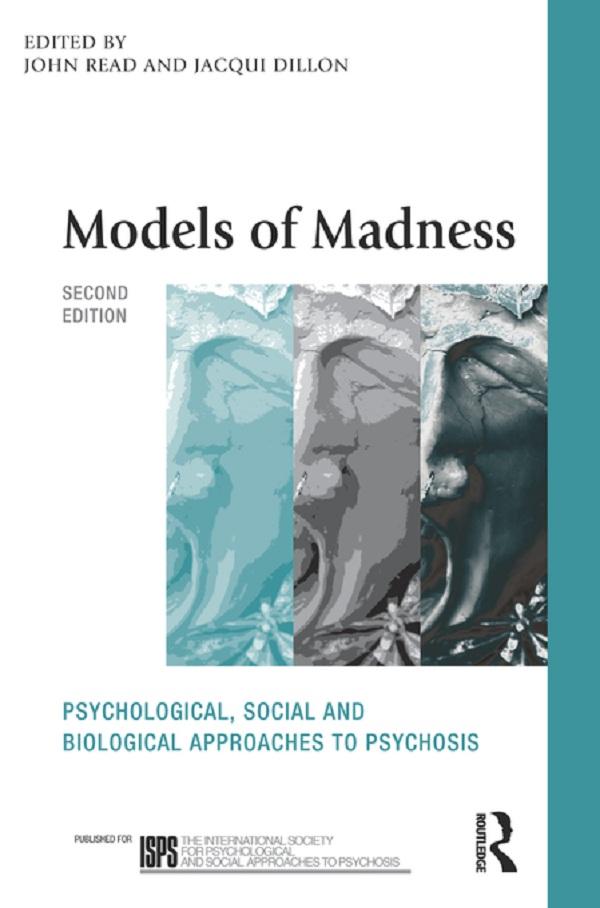
Are hallucinations and delusions really symptoms of an illness called ‘schizophrenia’? Are mental health problems really caused by chemical imbalances and genetic predispositions? Are psychiatric drugs as effective and safe as the drug companies claim? Is madness preventable?
This second edition of Models of Madness challenges those who hold to simplistic, pessimistic and often damaging theories and treatments of madness. In particular it challenges beliefs that madness can be explained without reference to social causes and challenges the excessive preoccupation with chemical imbalances and genetic predispositions as causes of human misery, including the conditions that are given the name 'schizophrenia'. This edition updates the now extensive body of research showing that hallucinations, delusions etc. are best understood as reactions to adverse life events and that psychological and social approaches to helping are more effective and far safer than psychiatric drugs and electroshock treatment. A new final chapter discusses why such a damaging ideology has come to dominate mental health and, most importantly, how to change that.
Models of Madness is divided into three sections:
- Section One provides a history of madness, including examples of violence against the ‘mentally ill’, before critiquing the theories and treatments of contemporary biological psychiatry and documenting the corrupting influence of drug companies.
- Section Two summarises the research showing that hallucinations, delusions etc. are primarily caused by adverse life events (eg. parental loss, bullying, abuse and neglect in childhood, poverty, etc) and can be understood using psychological models ranging from cognitive to psychodynamic.
- Section Three presents the evidence for a range of effective psychological and social approaches to treatment, from cognitive and family therapy to primary prevention.
This book brings together thirty-seven contributors from ten countries and a wide range of scientific disciplines. It provides an evidence-based, optimistic antidote to the pessimism of biological psychiatry. Models of Madness will be essential reading for all involved in mental health, including service users, family members, service managers, policy makers, nurses, clinical psychologists, psychiatrists, psychotherapists, counsellors, psychoanalysts, social workers, occupational therapists, art therapists.
Pay easily by card, Klarna, Apple Pay or Google Pay. Not happy? You always have a 14-day money-back guarantee. Read more in our terms. If you have any questions, email us at hello@memmo.org.
Memmo makes studying easier – wherever you are in the world. We bring your course books and smart study tools together in one place: summaries, quizzes, podcasts and flashcards. Plus Ted, your study buddy who answers anything you wonder. Over 50,000 students already study here – built to help you learn faster and stress less.