
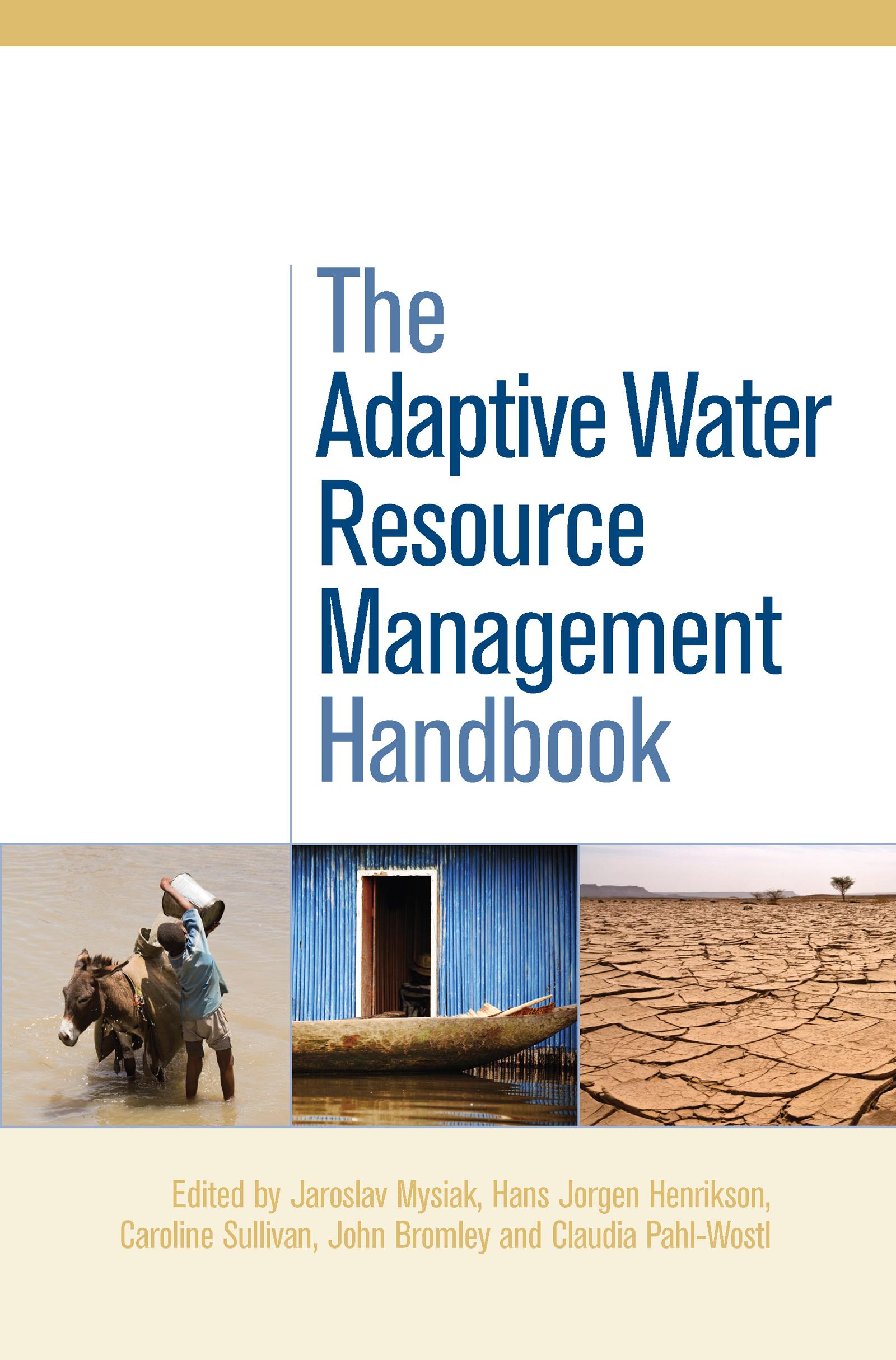
The complexity of current water resource management poses many challenges. Water managers need to solve a range of interrelated water dilemmas, such as balancing water quantity and quality, flooding, drought, maintaining biodiversity and ecological functions and services, in a context where human beliefs, actions and values play a central role. Furthermore, the growing uncertainties of global climate change and the long term implications of management actions make the problems even more difficult.
This book explains the benefits, outcomes and lessons learned from adaptive water management (AWM). In essence AWM is a way of responding to uncertainty by designing policy measures which are provisional and incremental, subject to subsequent modification in response to environmental change and other variables. Included are illustrative case studies from seven river basins from across Europe, West Asia and Africa: the Elbe, Rhine, Guadiana, Tisza, Orange, Nile and Amudarya. These exemplify the key challenges of adaptive water management, especially when rivers cross national boundaries, creating additional problems of governance.
Pay easily by card, Klarna, Apple Pay or Google Pay. Not happy? You always have a 14-day money-back guarantee. Read more in our terms. If you have any questions, email us at hello@memmo.org.
Memmo makes studying easier – wherever you are in the world. We bring your course books and smart study tools together in one place: summaries, quizzes, podcasts and flashcards. Plus Ted, your study buddy who answers anything you wonder. Over 50,000 students already study here – built to help you learn faster and stress less.