
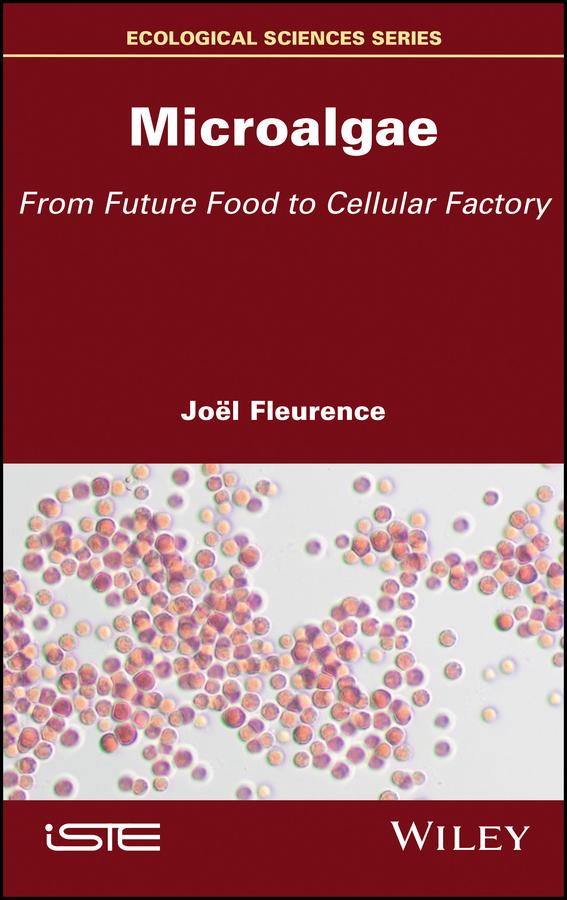
Microalgae and cyanobacteria are the first organisms in the oceanic food chain and are essential producers of oxygen and effective carbon dioxide traps. They are traditional sources of food proteins for Aztec, African and Asian populations, and some of them have even acquired the status of superfoods. Microalgae reviews the biological, ecological and biochemical characteristics of microalgae and cyanobacteria. They are true cellular factories, producing substances of interest such as original pigments, proteins and polysaccharides with biological activities. Their use covers many sectors of human activity including aquaculture, livestock breeding, agri-food, and human and veterinary medicine.
This book presents their mode of production and the transformation processes that are applied to them, as well as the traditional and future valorization of algae. As they are a source of lipids and fatty acids, microalgae have become the focus of attention for the development of green fuels, such as biofuel.
This book presents their mode of production and the transformation processes that are applied to them, as well as the traditional and future valorization of algae. As they are a source of lipids and fatty acids, microalgae have become the focus of attention for the development of green fuels, such as biofuel.
Pay easily by card, Klarna, Apple Pay or Google Pay. Not happy? You always have a 14-day money-back guarantee. Read more in our terms. If you have any questions, email us at hello@memmo.org.
Memmo makes studying easier – wherever you are in the world. We bring your course books and smart study tools together in one place: summaries, quizzes, podcasts and flashcards. Plus Ted, your study buddy who answers anything you wonder. Over 50,000 students already study here – built to help you learn faster and stress less.