
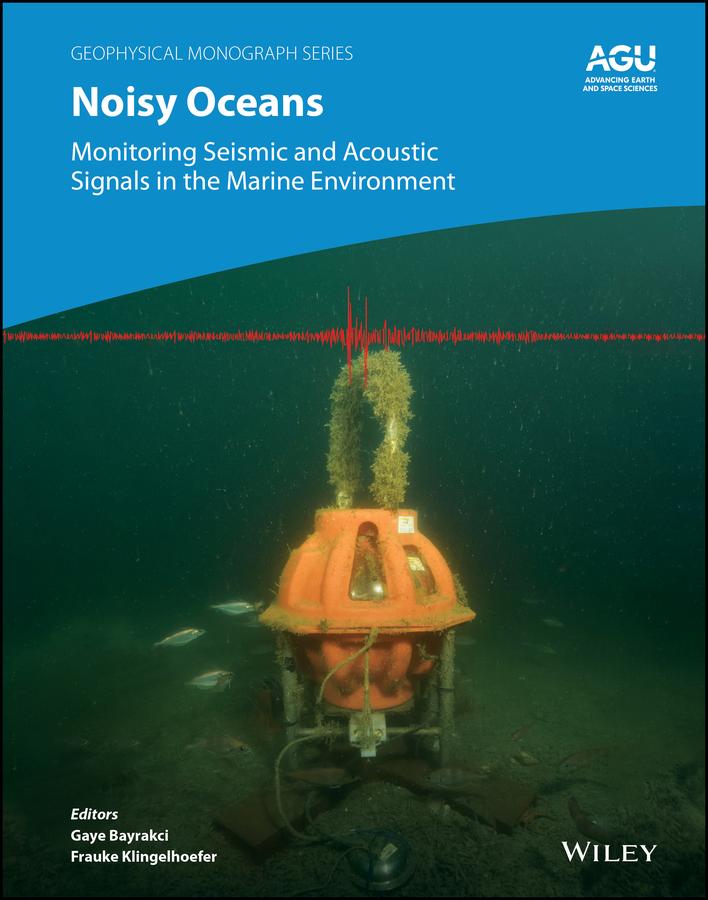
A comprehensive review of the sources and impacts of different types of marine noise
Measuring devices such as ocean bottom seismometers and hydrophones designed to detect earthquakes pick up many other signals. These were previously ignored as background noise from unknown sources, but advanced technology now allows insights into the noise created from icebergs, ships, hydrothermal vents, whales, rain, marine engineering, and more.
Noisy Oceans: Monitoring Seismic and Acoustic Signals in the Marine Environment is a comprehensive guide to non-tectonic marine noise originating from different environmental, biological, and anthropogenic sources.
Volume highlights include:
- Overview of marine soundscapes and their sources
- Existing and new methods for studying acoustic signals
- Case studies from around the world
- Spans disciplines from geology and geophysicists to biology
- Explores the impacts and implications of marine noise
The American Geophysical Union promotes discovery in Earth and space science for the benefit of humanity. Its publications disseminate scientific knowledge and provide resources for researchers, students, and professionals.
Pay easily by card, Klarna, Apple Pay or Google Pay. Not happy? You always have a 14-day money-back guarantee. Read more in our terms. If you have any questions, email us at hello@memmo.org.
Memmo makes studying easier – wherever you are in the world. We bring your course books and smart study tools together in one place: summaries, quizzes, podcasts and flashcards. Plus Ted, your study buddy who answers anything you wonder. Over 50,000 students already study here – built to help you learn faster and stress less.