
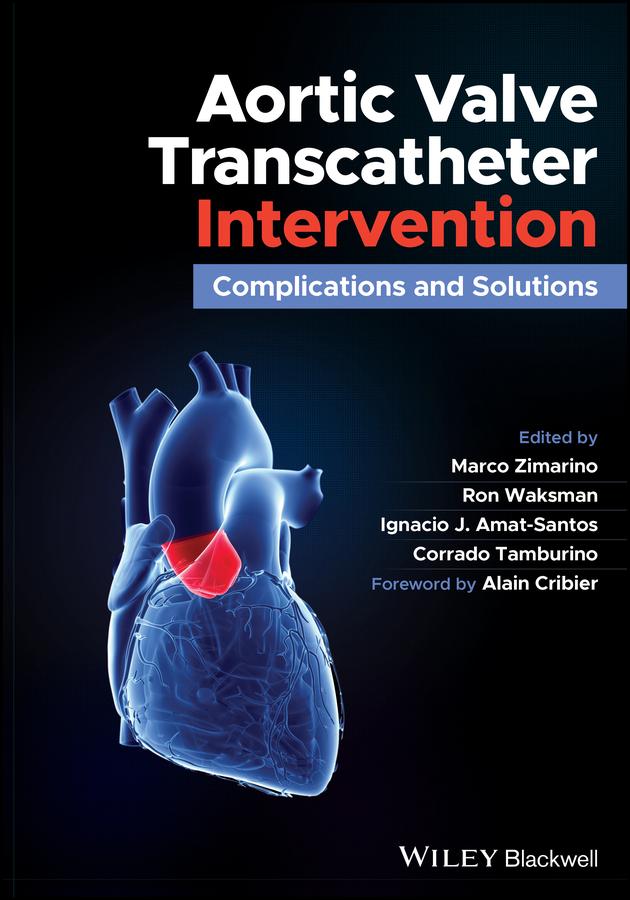
Calcific aortic stenosis (AS) is the most common heart valve anomaly, with a largely age-dependent prevalence, a calculated annual incidence rate in the range of 4-5% in general populations and up to 6% in patients aged 75 years and over.
Surgical aortic valve replacement (SAVR) was previously the only option available to patients with symptomatic, severe aortic stenosis. After the first-in-human transcatheter aortic valve implantation (TAVI) was performed by Alain Cribier in 2002, the treatment strategy for patients with symptomatic AS has been revolutionized. Since then, TAVI has grown exponentially, as a result of accruing evidence demonstrating safety and efficacy, and reduced invasiveness compared with SAVR. TAVI devices are continuously expanding to include several valve design options. As this strategy is continuously evolving to treat younger patients and lower-risk populations, aside from the long-term durability of the valve systems, procedural safety will become the focus of newer-generation devices.
This book is a practical handbook devoted to the optimization of TAVI procedures, through a focused containment of complications. Through an integrated evaluation of the clinical status, imaging techniques and laboratory findings, the authors provide readers with clear messages on preventive and therapeutic recommendations.
Pay easily by card, Klarna, Apple Pay or Google Pay. Not happy? You always have a 14-day money-back guarantee. Read more in our terms. If you have any questions, email us at hello@memmo.org.
Memmo makes studying easier – wherever you are in the world. We bring your course books and smart study tools together in one place: summaries, quizzes, podcasts and flashcards. Plus Ted, your study buddy who answers anything you wonder. Over 75,000 students already study here – built to help you learn faster and stress less.